AI来了,何去何从 AI Has Arrived — Where Do We Go From Here?
出差几天,见到不少朋友,大家聊得最多的就是AI。身处IT行业,过去短短两三个月的时间,AI带来的变化巨大,影响到我们工作的方方面面。
生产力决定生产关系
十几年前,我刚工作的时候,软件行业还常见“三驾马车”——开发,测试,产品经理——各司其职,彼此配合,一起完成大型的软件开发工作。
后来,测试岗位渐渐淡出,流行起TDD(Test Driven Development)测试驱动的开发,开发人员每做一个新的项目或功能之前,先设计好测试用例,用单元测试,自动化测试来取代人工测试。
到了2026年春天,AI在代码世界里的能力突飞猛进,远不止是陪你聊聊天,改改文档。在相应的指导之下,AI可以自己理解问题,自己尝试解决问题,自己验证结果,会自我反思,自我审视,自我迭代,觉得不妥,会自己推翻重来。
“当生产力发展到一定阶段,原有的生产关系不再适应时,便会要求变革。”
马克思,恩格斯《共产党宣言》
在IT行业里,新一轮的生产关系变革正在以前所未有的超快速度演进。开发人员不必再亲自手写一行代码,变身AI指挥官,备好开发的原材料(API)和脚手架(项目介绍索引),交给AI来去写底层的代码,实现具体的功能。产品经理也不用写长长的产品规格说明书(Spec),直接利用AI来分析市场,调研竞品,评估需求优先级,制定评测标准,出原型,甚至直接参与开发。设计师也不必每个像素每个页面的去画设计图,把视觉元素打成包,交给AI画出设计图。
一直以来,大型项目的研发通常划分成相对独立的模块,分给各个团队负责,由各个领域的专家去完成各自擅长的部分。为了组织大家朝共同的目标前进,需要周期性的做计划,对齐各个团队。实操起来,每个团队各有各的计划,各有各的优先级。跨组协调,来来回回,成本不小。
如今有AI,每个人理论上都能做所有模块的事——或者说,指挥AI去做。项目需求往一个大池子里一放,谁有空谁去领任务。甚至不必做太周全的计划,发现问题,发现机会,做就是了,快速推向市场上,快速验证。
有人问,这样小步快跑,岂不是产生许多废弃的工作?没关系,AI再重写就是了。那生成的代码我们看不懂怎么办?也没关系。AI看得懂就行了。
AI带来的焦虑
有AI的加持,每个角色都期待获得五到十倍的效率提升。看上去人人都获得AI的赋能。仔细想想,每一次交互,其实都在教AI如何更好地完成自己的工作。程序员们在自掘坟墓的路上,跑得飞快。
好些人心里不踏实:代码世界是不是很快就不需要人类了?我们做软件、做工具、做服务,卖给客户用。可客户可以直接用AI了,我们的产品本身还有没有价值?更进一步,如果我们习惯依赖AI,自己不去思考,长此以往,人类大脑是否就会逐渐萎缩?
我们这些人,过去几十年享受了智识的红利。读书读得好,考高分,进好学校,学有门槛的技术,做有挑战的事情,一步一步往上走。身边的同行大多如此,”好学生”当惯了,路该怎么走,心里一直是有数的。可AI来了,这条路还通不通?往后又该往哪里走?没有人说得准了。人的视野和思维,有时候也是被自己的经历框住的。
关于未来
敲下这些文字的时候是26年3月,我对AI到还是乐观的。
我并没有心存侥幸,AI取代许多现有工作,大势已成,不可逆了。
但是我相信AI 带来生产力的解放,会进一步提高人类的生活水平。就像农业革命让更多人的人吃饱,工业革命让更多的人生活变得便利一样,AI会让更多的人享受智识的果实。
从虚拟的代码世界,拉回到日常生活的物理世界中,还有许多现实世界的问题有待解决,许多人期待被解放。更好的医疗,更可持续的能源,还有那些不是人类心甘情愿、却不得不做的事——比如家务,比如带娃。我期待AI可以在这些领域进展快些再快些,解放更多的人类去放空,去思考,去释放天性。
换个角度,这未尝不是一个契机,让我们回归人类本性,探求什么才是我们不可取代的根本特质,去挖掘我们个体里的独特天性。好奇心?创造力?同理心?责任感?甚至是我们的不完美?我们的脆弱和缺陷?
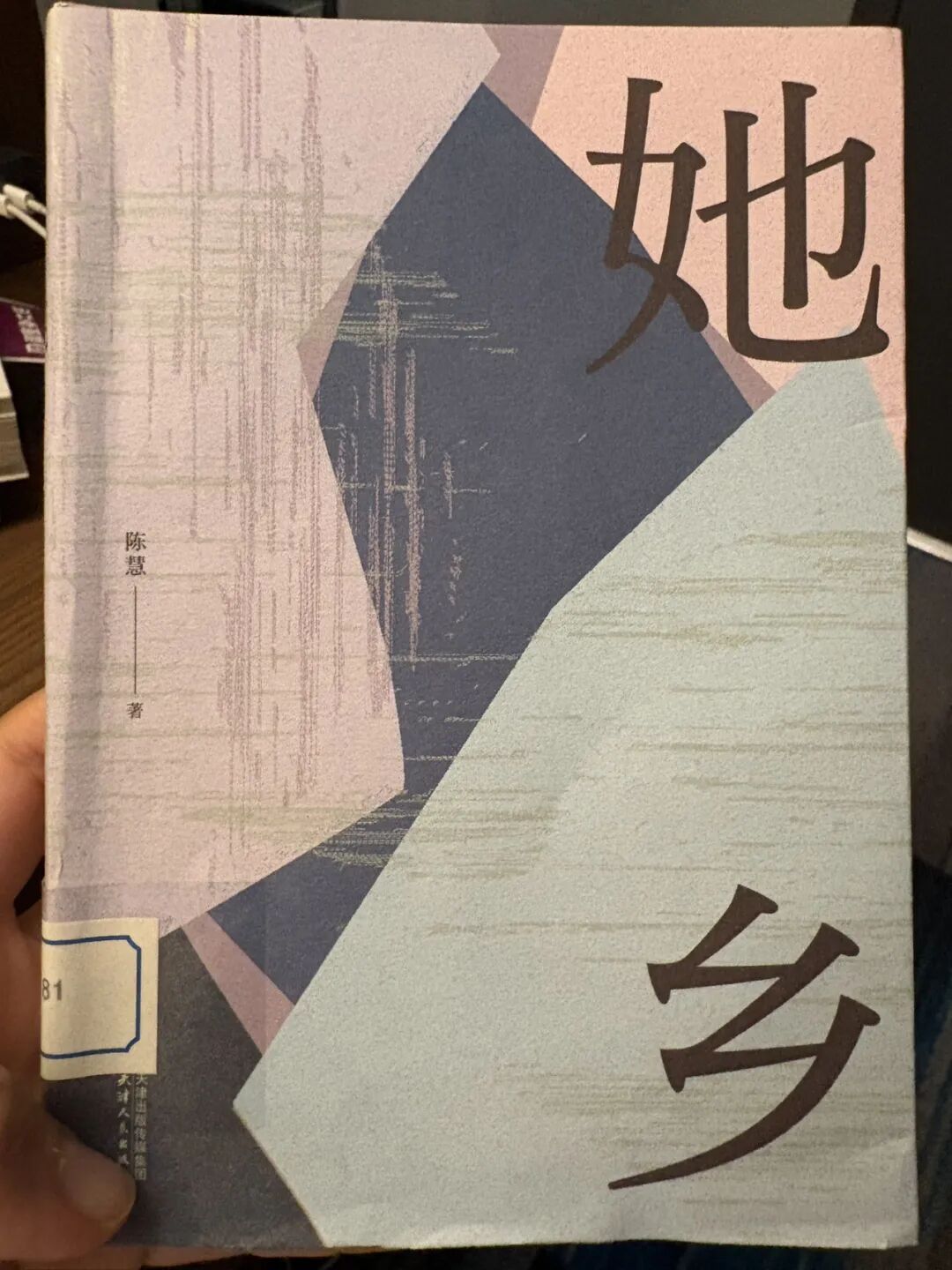
飞机上我一口气读完了陈慧《她乡》。陈慧被称为“菜场作家”,白天在菜市场摆杂货摊,下午收了摊就读书写作。她的文字优美、干净、动人。写的都是身边人的故事,真实不做作。读陈慧让我感觉,我们其实不需要有那么丰厚的物质基础,也可以好好过日子。生活里处处是细节,值得停下来,看一看,听一听,想一想。
也许有一天,AI真把我们从那些不得不做的事情里解放了。到那时候,但愿我们每个人都能像陈慧那样,在世间寻一方小角落,静看人来人往,闲观云卷云舒。
AI-generated translation.
A few days of travel, plenty of friends — and what came up most was AI. I work in IT, and in the past two or three short months the changes AI has brought have been enormous, touching every dimension of how we work.
Productive forces shape the relations of production
A dozen-odd years ago, when I had just started working, the software industry still had its classic “three-horse troika” — developer, tester, product manager — each in their lane, working together to ship big software releases.
Later, the test role gradually faded out. TDD (Test-Driven Development) took off: before starting a new project or feature, developers design the test cases first, replacing manual QA with unit tests and automation.
By the spring of 2026, AI’s abilities in the code world had taken a huge leap. It is no longer just chatting with you or polishing your docs. With the right guidance, AI can understand the problem itself, attempt to solve it itself, verify the result itself, reflect on its own output, audit itself, iterate on itself — and if it thinks it got it wrong, throw the whole thing out and start again.
“When the productive forces have developed to a certain stage and the existing relations of production no longer fit them, change becomes a demand.”
— Marx and Engels, The Communist Manifesto
In IT, a new round of change in the relations of production is now unfolding at unprecedented speed. Developers no longer have to write code line by line. They become AI commanders: prepare the raw materials (APIs) and the scaffolding (a project index / introduction), hand them to the AI, and let it write the underlying code, building out specific features. Product managers no longer have to write long, formal specs — they use AI directly to analyse the market, research competitors, evaluate the priority of requirements, draft success metrics, mock up prototypes, even participate directly in development. Designers no longer have to draw every pixel and every page by hand — bundle up the visual elements, give them to the AI, and let it produce the design comps.
For a long time, big projects have been broken into relatively independent modules, each owned by a team of domain experts. To pull everyone toward a shared goal, you’ve needed periodic planning cycles and constant cross-team alignment. In practice, every team has its own plans and its own priorities, and cross-team coordination is expensive.
With AI, every person can — in principle — work on any module. Or rather, can direct AI to do it. Throw the requirements into one big pool, and whoever has bandwidth grabs the next task. You don’t even need an exhaustive plan. Spot the problem, spot the opportunity, just ship it, push it out to the market quickly, validate quickly.
Someone asked me: doesn’t this sprint-style work produce a lot of throwaway output? Not a problem — AI can just rewrite it. But what if we can’t read the generated code? Also not a problem. As long as AI can.
The anxieties AI brings
With AI in the loop, every role expects a five- to ten-fold improvement in efficiency. On the surface, everyone is being supercharged by AI. Look more closely, though: every interaction is teaching AI how to do your job better. Programmers are sprinting forward on the road to digging their own graves.
Many people feel uneasy: will the code world soon not need humans at all? We build software, tools and services for our customers. But if customers can just use AI directly, what is the value of our product itself? Going further still — if we get used to leaning on AI and stop doing our own thinking, will the human brain quietly atrophy over time?
Many of us have spent the past few decades enjoying the dividends of intellectual work. We studied hard, got the marks, got into the good schools, learned skills with high barriers to entry, took on challenging work, climbed step by step. Most of the people around me are like that — we got used to being “good students,” and we always had a sense of which way the road was supposed to go. Now that AI has arrived, is that road still open? And where do we walk from here? Nobody can say for sure. A person’s vision and thinking is sometimes hemmed in by their own past.
About the future
As I type this in March 2026, I am still, on balance, optimistic about AI.
I am not in denial: AI is going to replace many existing jobs. That tide is set, and it isn’t going back.
But I believe that the liberation of productive forces that AI brings will, in the long run, further raise human living standards. Just as the agricultural revolution let more people eat their fill, and the industrial revolution made life more convenient for more people, AI will let more people enjoy the fruits of intellect.
Pulling back from the virtual world of code into the physical world of everyday life: there are still so many real-world problems waiting to be solved, so many people waiting to be liberated. Better healthcare. More sustainable energy. The things humans don’t actually want to do but have to — housework, childcare. I’d love for AI to make even faster progress in those areas, freeing more humans to space out, to think, to let their nature breathe.
From another angle, this is an opportunity, isn’t it? An opportunity to return to our human nature and ask what, fundamentally, makes us irreplaceable. To dig out the unique gifts inside each of us. Curiosity? Creativity? Empathy? A sense of responsibility? Maybe even our imperfection? Our fragility, our flaws?
On the plane I read Chen Hui’s Her Hometown in one sitting. Chen Hui is called the “market-stall writer” — she runs a sundries cart at a Zhejiang vegetable market in the morning and reads and writes in the afternoon. Her prose is beautiful, clean and moving. It’s all about the people around her, real, unposed. Reading her made me feel: you actually don’t need a thick layer of material comfort to live well. The details of life are everywhere, and worth stopping for — to look, to listen, to think.
Maybe one day AI really will free us from the things we don’t want to do but have to. When that day comes, may each of us, like Chen Hui, find our own small corner of the world, watching people come and go, watching the clouds roll out and roll back in.