x的奇幻之旅+乌克兰拖拉机简史+斑马 The Joy of x + A Short History of Tractors in Ukrainian + Zebra
有娃之后,读书和写作变得更加奢侈。但是在这种新的状态下,也激发了我新的潜能,逐渐适应并享受在零散的碎片时间里翻几页书,记录闪现的阅读感受,在一吸一呼之间给思维供氧。
X的奇幻之旅
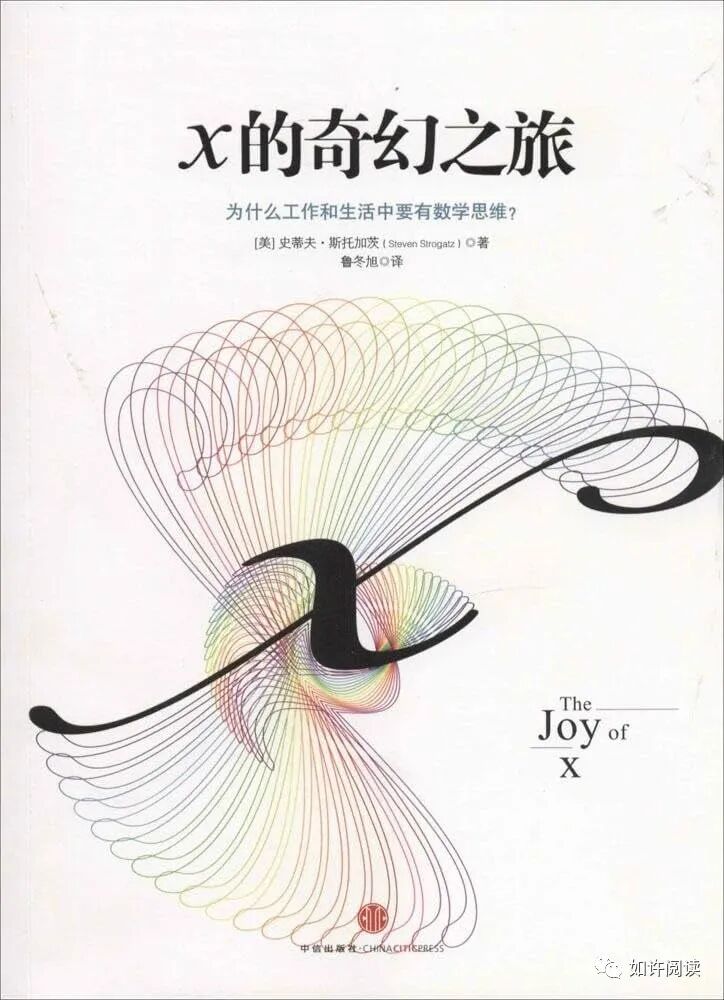
X的奇幻之旅,把一个个听起来很复杂地数学概念,生动、浅显又有趣地讲了出来。生活中处处是数学。数学并非只是为了计算或者证明而存在,她最初的出发点是去解释生活中的现象,甚至是为了解决生活中的问题。让我们头痛的数学习题,可能几百年前还是困扰着世界顶尖数学家的难题。
每一个主题都是一篇独立的文章,深入浅出地阐述一个数学主题。比如勾股定理的几何证明部分,即使是幼儿园的小朋友也可以理解,而章节结尾处指出“勾股定理的重要性在于描述了平面空间的重要定理”,隐含的前提是空间是平面的不是弯曲的,如果谈到弯曲的平面,就会涉及到爱因斯坦的广义相对论了,这一主题瞬间得到了升华。
乌克兰拖拉机简史
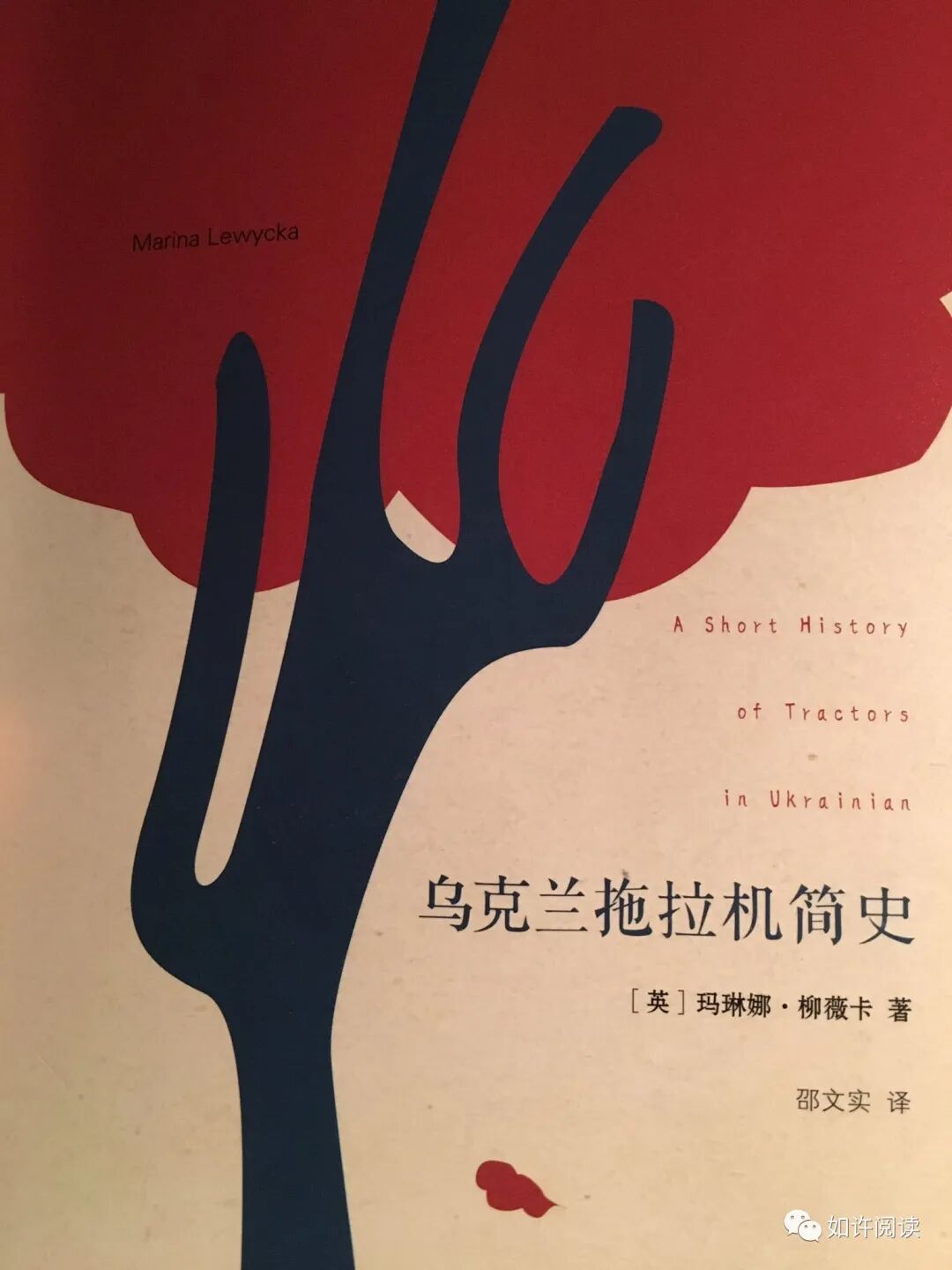
这是一本打开之后就放不下的书,也是一本看完之后也许无法确定自己是不是真的看懂了的书。书中看似无辜的弱者可能是个狂妄症患者,而书中的虐待狂可能是真正的受害者。习惯是生活经历的产物。经历过饥饿才更爱囤积食物,被陷害过才更多疑。然而生活的苦难并非毫无价值。陀斯陀耶夫斯基曾告诉前来请教写作的弗兰克,写出伟大的作品的秘诀在于经历苦难。刘子超则自述选择从事旅行作家是因为他认为自己顺遂的成长经历注定自己写不出伟大的小说作品。
当然,如果有上帝视角,我希望自己和自己的孩子不必为了追求伟大的成就而经历太多的苦难,只需要做一个平凡的普通人就好了。
斑马
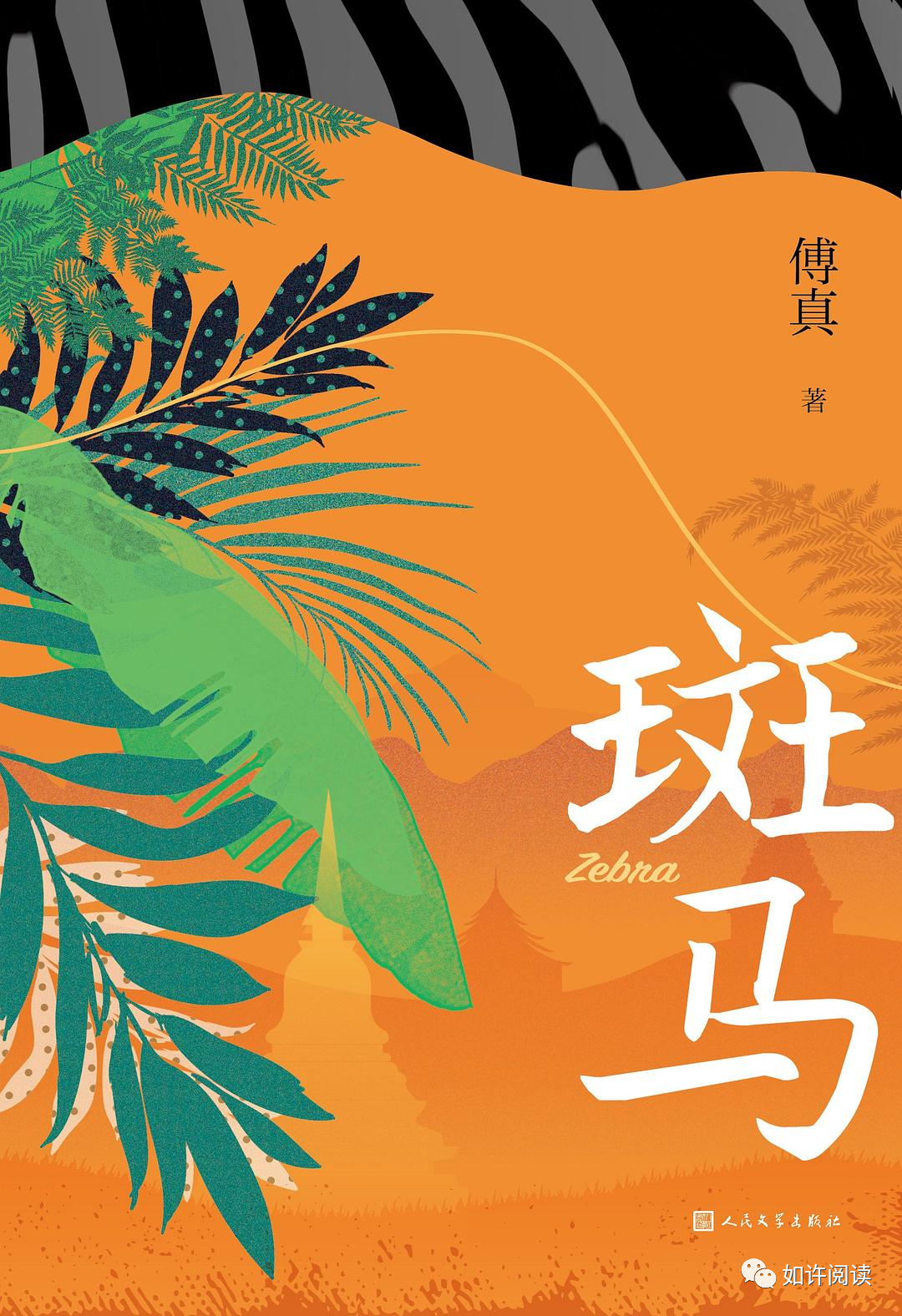
旅行博主傅真的第一本小说,本没有抱太多期待,阅读体验超乎预期。小说是生育主题,自己临产前拿到书,准备待产的时候读(唉,到底还是too simple too naïve,把生娃当成休假了,鬼知道宫缩的时候是根本顾不上看书的),产后断断续续看完。读开始的几章觉得作者想表达的太多了,某些角色絮絮叨叨说教意味很重,让人出戏。读到中间前后的情节开始慢慢展开,好奇心被吊起,迫不及待想知道男主角到底是做什么的?一口气追完,掩卷意犹未尽,回味无穷。
傅真的文字温润舒服,能恰当好处的表达自己的心境,观点又深度有启发,比如冻卵看似是对女性的解放,但可能会带来的新的不平等,进一步拉大女性群体内部的阶级差异。
带娃疲惫崩溃的时候,读到书中角色艰难的求子路,看看身边健康活泼的度子觉得心怀感激。有娃之后常常怀念单身的自由自在,不止一次想抛家弃子离家出走。典型的围城心理。乖乖女做太妹梦。但是如果真有机会重启人生,你愿不愿意尝试过另一种完全不一样的生活,代价是隔断所有与这个世界已有的连接呢?每个人都有自己的答案。傅真把故事引向这个方向是我始料不及的,意外的惊喜。
AI-generated translation.
After becoming a mother, reading and writing have become more of a luxury. But this new state has also drawn out new abilities in me. I’ve gradually adapted, and even come to enjoy, turning a few pages of a book in scraps of time, jotting down passing reading impressions — like dropping a little oxygen into my thoughts between one breath and the next.
The Joy of x
The Joy of x takes mathematical concepts that sound complicated and lays them out vividly, accessibly, and entertainingly. Math is everywhere in life. Math doesn’t exist purely for calculation or proof; at its origin it was a way to explain the things we see in life, and even to solve everyday problems. The math problems that gave us all headaches in school may have been, a few centuries ago, open puzzles for the very best mathematicians of the world.
Each topic is a self-contained essay laying out one mathematical idea in approachable language. For instance, the geometric proof of the Pythagorean theorem is accessible enough for a kindergartener; and yet by the end of the chapter, the author notes that “the importance of the Pythagorean theorem lies in describing a fundamental theorem of flat space,” implicitly assuming that space is flat rather than curved. If you bring in curved planes, you find yourself walking into Einstein’s general relativity — and the topic suddenly soars.
A Short History of Tractors in Ukrainian
This is a book you can’t put down once you open it — and also a book that, when you’ve finished, you may not be sure you actually understood. The seemingly innocent victim in the book may be a megalomaniac. The apparent tormentor may be the real victim. Habits are the product of lived experience. People who have known hunger are more eager to hoard food. People who have been betrayed grow more paranoid. Even so, the hardships of life aren’t worthless. Dostoevsky once told the young Frank, who came to him for writing advice, that the secret to producing great work was suffering. Liu Zichao has written that he became a travel writer because he believed his own easy, smooth childhood made it impossible for him to write great fiction.
Of course, given a god’s-eye view, I hope neither I nor my own child has to live through too much suffering for the sake of doing something great. Being an ordinary, unremarkable person is enough.
Zebra
Zebra is travel blogger Fu Zhen’s first novel. I didn’t go in with high expectations; the reading experience exceeded them. The book is about reproduction. I got hold of it just before giving birth and planned to read it while waiting in labour (ah, what too simple, too naïve delusion — I imagined giving birth as a kind of holiday; god knows that once contractions start you cannot read a single thing), and finished it in fits and starts after the baby was born. The first few chapters made me feel the author wanted to say too much; certain characters drone on with a heavy moralizing tone, breaking the spell. From the middle on, the plot starts to unfold and pulls you in; you can’t wait to know what exactly the male lead really does for a living. I finished the rest in one sitting, closed the book reluctantly, and savoured the aftertaste.
Fu Zhen’s prose is warm and easy on the eye, captures her state of mind just right, and her observations have real depth — for instance, that egg freezing, which on the surface looks like an emancipation for women, may bring new inequality, and widen the class gap within the female population.
When I’m collapsing under the exhaustion of caring for my own baby, reading about the characters’ difficult fertility journey in the book, and then looking at my healthy, lively child next to me, I feel grateful. After having a child, I often miss the freedom of being single — more than once I’ve fantasized about walking out of the family and leaving everything behind. Classic besieged-city psychology. The good girl dreaming of being a taimei — a delinquent. But if you really got the chance to reboot your life and try a totally different one, at the cost of cutting all your existing ties to this world — would you? Everyone has their own answer. I didn’t see Fu Zhen steering the story in that direction, and it was a lovely surprise.