读库2601 Duku 2601
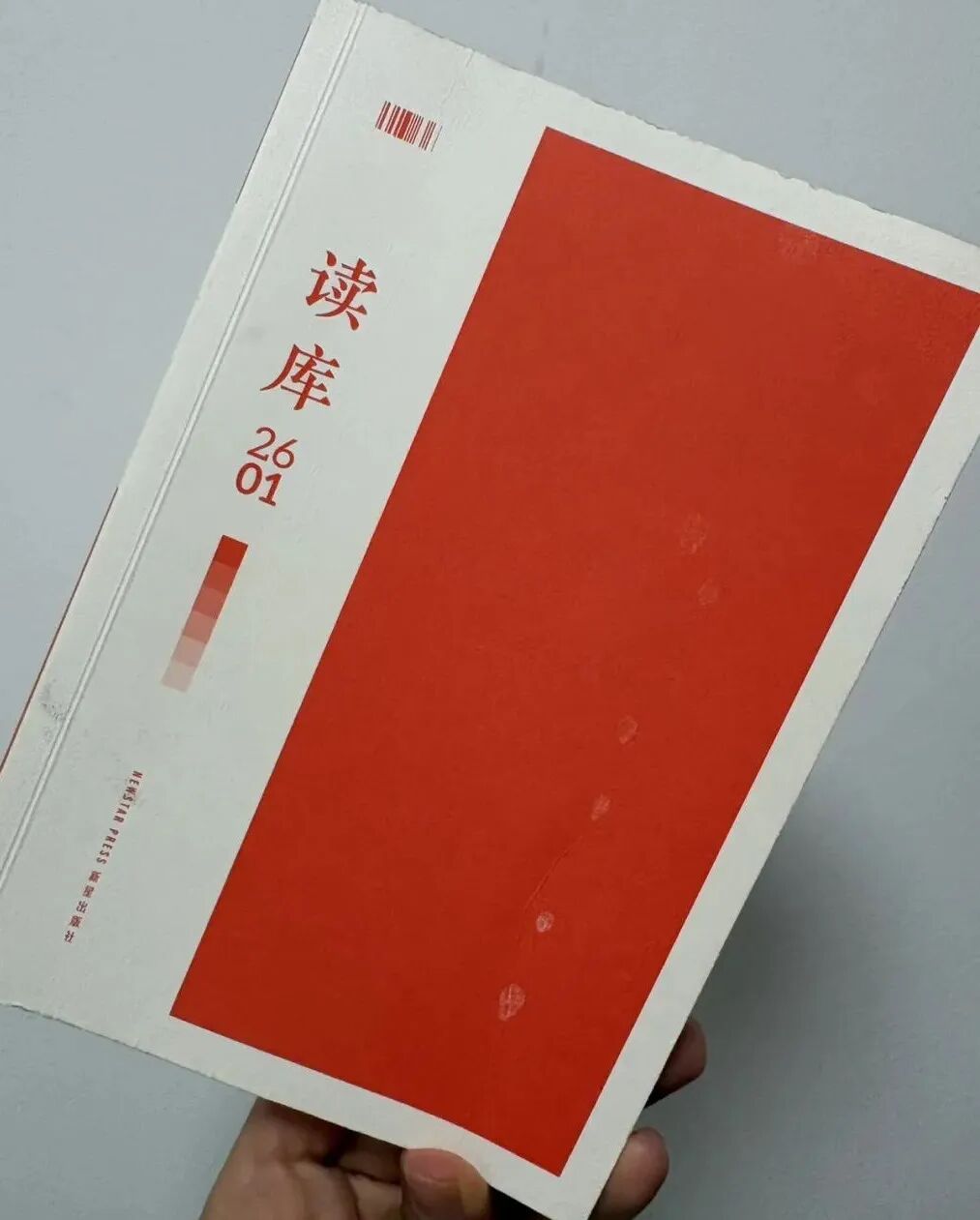
《读库》内容明显国际化了。《2601》开篇《贫穷》,作者是一位奥地利的母亲,讲述自己一家中产返贫的经历。作者夫妻双方都受过教育,从来没有想过不劳而获。第四个孩子出生后患有先天性疾病,治疗费用昂贵,家庭开支变大。作者因照护孩子缩短了工作时间,收入下降,丈夫为了支撑家庭开支超负荷工作,身体垮掉,无法继续工作,一家人陷入贫困的恶性循环。
从最开始的满怀希望挣扎自救,到后来的无能为力,作者试图澄清贫穷是社会化结构化的问题:即便是在奥地利这样的福利国家,社会保障资源对贫困者的支持远远没有那么透明。从政府机构到社会咨询中心,遭受贫困的人想要了解自己有权享有哪些福利,并非易事。而错误的信息和糟糕的建议,对当事人来说是致命的。
作者以极大的勇气,坦然讲述这个过程中体会到的屈辱,边缘化和污名化。大众把贫穷归结于当事人的懒惰不努力,甚至当事人自己很多时候也这样认为,因而充满自责和失败感。孩子学校出游需要几欧元的午餐费,作者拿不出来,老师非但不理解,还表示“连最低生活开销都没有预留好的父母是多么不负责任”;作者一家欠了房东水电费,但是在夏天带孩子们去了一次露天浴场,被房东大声斥责“居然在租金尚未付清的情况下,把钱花在游玩上”;作者无数次的听到“你穷吗?那就付出180%的努力!”…穷人就不应该放松或者休息。事实上,贫困中的许多人都在努力工作挣钱,每个人无论穷富与否,都需要休息。
作者的另一个令人脊背发凉的洞见是:社会的正常运转离不开贫困的低收入者,收入与贡献并不相关。英国新经济基金会在2009年的一项研究,分析了哪种工作对我们的社会最重要,哪种工作最有害。结果显示,最重要的工作是医院的清洁工,假如没有他们的工作,病毒和细菌就会不受控制地传播,会导致患者住院时间更长、出现并发症以及造成死亡地情形增加。如果没有这项工作,经济体系就会瓦解,因为太多人无法从疾病中康复。另一方面,对社会危害最大的工作是税务顾问,这些人会帮助减少政府的收入。
贫穷不光是其他人会遇到的事情,贫穷也会实实在在地落在我们身上。如何结构性地解决贫穷,还有很长的路要走。但是真实坦诚的讲出自己的遭遇,建立网络,知道自己并非孤立,互通信息,是很重要的一步。
《相约星期二》是作者的心理咨询日志。作者本人是一位即将奔四的“中年少女”,原生家庭虽然不算圆满——爸爸酗酒家暴,少年时候父母离异,跟随妈妈长大——但是作者天性开朗活泼,并没有抑郁或者情感障碍,与优秀的心理咨询师的对话,搅动了心底的自己没有意识到的迷雾,让尘封的污浊腾空飘散。作者将自己的经历分享出来,是想说身心正常的普通人,也应该有、也可以有自己的心理咨询师,让我们看待自己和世界时更全面些,获得更深层次的疗愈。
《小我两岁的妹妹》读起来跟去年的《大我两岁的姑姑》非常像。都是双叙事:一方面讲主人公的一生,一方面科普免疫学知识。后来发现果然出自同一人之手。作者商周出生于七十年代的江西农村,是当年凤毛麟角大学生,后留学德国,成为免疫学专家。非常擅长用简单的语言科普复杂枯燥的生物免疫学概念,尤其是结合家人生平的叙事方法,让人直观的感受到,生物免疫学是如何影响一个人的一生。而我们每个人的生活与命运都不仅仅是和我们个人有关。
妹妹出生于1976年,两岁时候感染麻疹,引发严重的肺炎合并症,虽然幸运的活了下来,但幼时对肺部造成的损伤跟随妹妹的一生。作者从人类历史上的第一支疫苗——1796年詹纳发明的牛痘天花疫苗——讲起,依次介绍了减毒疫苗、灭活疫苗、蛋白疫苗、病毒载体疫苗、核酸疫苗。1954年,第一支麻疹疫苗发明。1965年起我国开始使用麻疹疫苗,1978年起我国将麻疹疫苗列入计划免疫,开始有计划地全面普及接种,而妹妹小时候那次麻疹疫情,也成为老家历史上的最后一次。
《古典悲伤开端》拓宽了我的知识边界。这是我自己不会主动找来读,推荐算法也绝不会推荐给我的文章。作者以屈原本人是否在历史上真实存在开篇,依随其留世的作品,追溯了屈原的一生。内容涉及战国时期各国的合纵连横,变幻莫测的外交政策。屈原主张联齐抗秦,曾一度深受楚怀王信任。后因时局变化,政治上被边缘化。流放途中依然心系家国,在颠沛中写下《离骚》《天问》等的诗篇,将人格、信念、意志与文学天赋融为一体,铸就出伟大作品。
历史和文学知识匮乏如我,初读起来非常艰难。后来发现一个很好用的代入式的方法——想到自己籍贯算是齐国人,家属算是楚国人,联想到来自秦国和燕赵国的朋友们——把这些“国”与熟悉的人做映射,读起来就很顺畅,莫名其妙也生动有趣了许多。读完之后还有冲动去翻出楚辞来研究一下。
《诺奖琐屑》让我第一次了解到诺贝尔产生的背后的人和故事。且不说起起落落、靠炸药和军火发家的诺贝尔家族的传奇,单单是诺贝尔奖的遗嘱执行人拉格纳·索尔曼,排除万难让奖项落实,就足以令人赞叹。
索尔曼是诺贝尔的私人助理,兼主要的遗嘱执行人。诺贝尔临终前的对设立诺贝尔奖的简短嘱托埋藏着无穷隐患。“愤怒的诺贝尔家族成员、犹豫的瑞典科学院、胆怯的瑞典文学院、贪婪的卡罗琳学院、心怀不满的瑞典王室以及虎视眈眈的法国政府。”索尔曼耗费四年心血,才勉强把各方冲突一一化解。索尔曼将其中的种种心酸磨难,写成一本《一项遗嘱》,暂时还没有找到中译本,真想找来读一读。
《年轻人和鱼》是作者参加平遥电影节遇到的人和事。是年轻人写的会发生在年轻时候的故事,陌生人之间那么容易就可以建立连结,观众和刚毕业的导演之间也可以很轻松的就对话聊天。
《商品的合唱》写八十年代的商标、包装与海报广告,是本期共鸣度最低的一篇。可能那时候自己还小,且文字大部分是对标签的描述。从平面广告、广播电视广告、到数字广告、流媒体广告,广告业的发展变迁也是大时代进程的一部分。
AI-generated translation.
This issue of Duku (a Chinese literary anthology series) is noticeably more international. 2601 opens with “Poverty,” by an Austrian mother who tells the story of her own middle-class family slipping into hardship. Both she and her husband are educated and never imagined a life without work. After their fourth child was born with a congenital illness, treatment costs were enormous and family expenses ballooned. To care for the child the author cut her working hours; income dropped. Her husband overworked to keep the family afloat, his body broke down, he could no longer work, and the family slid into a vicious circle of poverty.
From early on — full of hope, struggling to save themselves — to later, when they had run out of options, the author tries to make clear that poverty is a structural, social problem. Even in a welfare state like Austria, the social-safety net is far from transparent to the people who actually need it. From government agencies to social-counselling centres, the people in poverty find it genuinely hard to learn which benefits they are entitled to. And misinformation, or simply bad advice, can be fatal for the person on the receiving end.
With enormous courage the author talks honestly about the humiliation, marginalisation and stigma she experienced in the process. The public attributes poverty to laziness and lack of effort, and very often the people in poverty internalise this view, drenched in self-blame and a sense of failure. When the author couldn’t come up with a few euros for a school excursion lunch, the teacher’s response was not understanding but a remark that “parents who can’t even budget for basic costs are irresponsible.” After her family fell behind on rent and utilities, the landlord caught her one summer taking her children to an open-air pool and harangued her — “spending money on entertainment when you haven’t even cleared the rent.” She heard, again and again: “Are you poor? Then you have to work 180% as hard!” As if poor people are not allowed to relax or to rest. In reality, many people in poverty are already working hard to earn money — and every human being, rich or poor, needs rest.
Another spine-chilling insight: a properly functioning society depends on low-income workers, and income has very little to do with contribution. A 2009 study by Britain’s New Economics Foundation analysed which jobs matter most to society and which jobs do the most damage. The most valuable job turned out to be hospital cleaner: without their work, viruses and bacteria would spread unchecked, leading to longer hospital stays, more complications and more deaths. The economy itself would seize up, because too many people would never recover from illness. On the other side, the most socially harmful job was tax adviser — people whose work reduces government revenue.
Poverty isn’t just something that happens to other people; poverty can land squarely on us. The structural cure is still far off. But honestly speaking your own experience aloud, building networks so people in poverty know they are not alone, and exchanging information — that is an important first step.
“Tuesdays in Therapy” is the author’s psychotherapy journal. A “mid-life young woman” approaching forty, she had a less-than-rosy upbringing — an alcoholic, abusive father, parents who divorced when she was a teenager, grew up with her mother — but is by nature open and lively, and was not depressed or emotionally disordered. Her conversations with a skilled therapist stirred up fogs at the bottom of her psyche she hadn’t known were there, and let the long-sealed murk drift up and out. She shares her experience because, she wants to say, ordinary mentally-healthy people should and can also have their own therapist. It widens our view of ourselves and the world, and offers a deeper kind of healing.
“The Sister Two Years Younger Than Me” reads very much like last year’s piece, “The Aunt Two Years Older Than Me.” Both use a double narrative — the protagonist’s life on one track, popular-science about immunology on the other. They turned out to be by the same author. Shang Zhou was born in rural Jiangxi in the 1970s, was a rare university student of his generation, then went to Germany to study and became an immunologist. He’s unusually good at using simple language to explain complex, dry concepts in biological immunology, and his trick of weaving the science into a family story makes you feel directly how immunology shapes a person’s whole life. Each of our lives and fates is never about us alone.
His sister was born in 1976. At two she caught measles, with a severe pneumonia complication; she was lucky to survive, but the damage to her young lungs followed her for the rest of her life. The author starts from the very first vaccine in human history — Jenner’s 1796 cowpox-smallpox vaccine — and goes step by step through attenuated vaccines, inactivated vaccines, protein vaccines, viral-vector vaccines, nucleic-acid vaccines. The first measles vaccine was invented in 1954. China started using it in 1965, and from 1978 included it in the National Immunization Programme, rolling out planned, universal coverage. The measles outbreak that hit his sister became, by the way, the last such outbreak in his hometown.
“A Classical Beginning of Sadness” widened my own frame of reference. It’s a piece I’d never have sought out on my own, and no recommendation algorithm would ever push to me. The author opens by asking whether Qu Yuan ever actually existed as a historical figure, then traces his life through the works he left behind. The piece moves through the alliances and intrigues of the Warring States era — the shifting diplomacy of “vertical and horizontal” alignments. Qu Yuan argued for an alliance with Qi against Qin, and was for a time deeply trusted by King Huai of Chu. As the situation changed he was pushed to the political margins. In exile he kept his country in his heart, and amid drifting wrote Li Sao, Heavenly Questions and other poems — folding personality, conviction, will and literary genius into one great body of work.
With my own limited grasp of history and classical literature, this was initially hard going. Then I found a useful trick: I treated myself as someone “from Qi” (matching my hometown), my husband as “from Chu,” and friends from elsewhere as coming from Qin or Yan-Zhao — mapping each state onto a real person I know. Reading suddenly became smooth, and a little absurdly fun. I came away wanting to dig out the Chu Ci and study it.
“Notes on the Trivia of the Nobel” gave me my first real look at the people and stories behind how the Nobel Prize came to be. Never mind the rollercoaster saga of the Nobel family, fortune built on dynamite and arms — just the story of Ragnar Sohlman, the executor of Nobel’s will, who broke through endless obstacles to actually make the prize happen, is astonishing. Sohlman was Nobel’s personal assistant and chief executor. Nobel’s brief deathbed instructions left countless hidden problems. “Furious Nobel family members, a hesitant Swedish Academy of Sciences, a timid Swedish Academy of Letters, a covetous Karolinska Institute, a disgruntled Swedish royal family, and a French government circling like a tiger.” Sohlman spent four years smoothing every conflict by force of will. He later turned the whole ordeal into a book, Ett Testamente; I couldn’t find a Chinese translation but would love to read it.
“Young People and Fish” is about the people and events the author encountered at the Pingyao Film Festival. A story by a young writer about things that happen when one is young; how easily strangers can connect, and how easily an audience can fall into casual conversation with a director straight out of school.
“A Chorus of Goods” is about logos, packaging and poster ads in the 1980s — the piece I found least resonant in this issue. I was still very young then, and most of the text is descriptions of labels. From print to radio and TV ads to digital ads to streaming ads, the evolution of the advertising industry is also part of the larger arc of an era.