理解使思想懒惰 Understanding Makes the Mind Lazy
1959 年,英国海边一座叫哈德堡的小镇。
弗洛伦斯·格林,一战前丧夫,独自在小镇住了八年多。她决定用尽毕生积蓄,在一座据说闹鬼的老屋里,开一家书店。
这是英国作家佩内洛普·菲茨杰拉德 1978 年的小说《书店》,那一年它入围了布克奖。
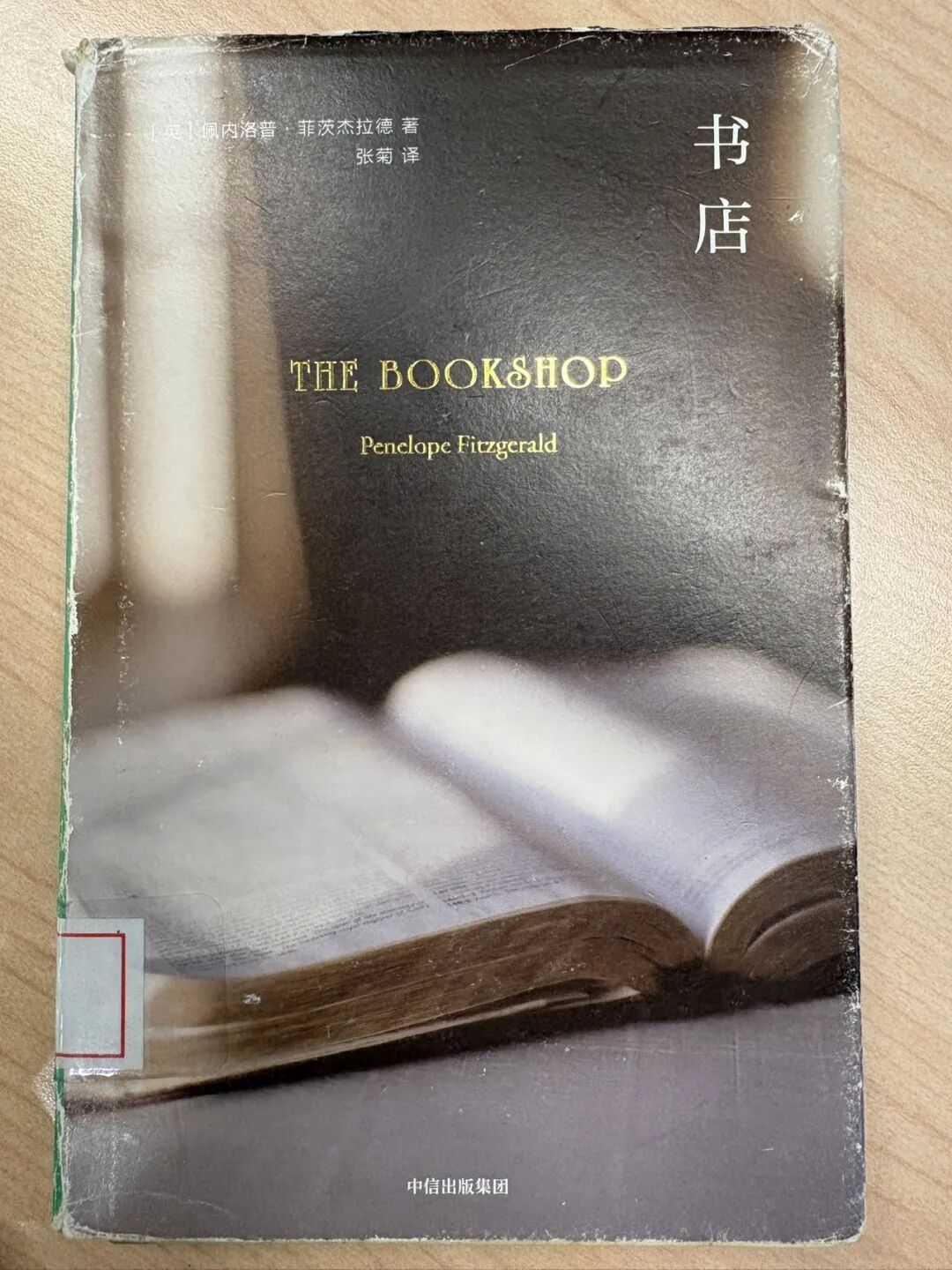
哈德堡传统闭塞,等级森严,邻里之间几乎没有隐私。一个独身女性想在这里做一件正经事,本身就是冒犯。
这家书店惹恼了小镇上不容置疑的权威——加马特夫人。她早就盘算着,要在那栋老屋的位置上建一所艺术中心。书店也收获了几位支持者:隐士布伦迪希先生、小女孩克里斯蒂娜、雇工雷文,还有童子军沃利。
书店给这个保守的小镇带来了租书业务,也带来了饱受争议的《洛丽塔》,激起轩然大波,一次次激怒加马特夫人。
最后,加马特夫人动用她庞大的人脉和权力网络,推动通过一项法案,把老屋收归政府,逼走了弗洛伦斯。
小说的结尾没有煽情,没有对白,只有一句话。弗洛伦斯坐在火车上驶离小镇:
“她坐在那里,羞愧地低着头,因为生活了将近十年之久的小镇,并不需要一家书店。”
菲茨杰拉德的笔法精简,风趣幽默,简笔画一样,几笔就把一个人物勾勒出来。
写弗洛伦斯——”从前面看,她个子瘦小,其貌不扬,从后面更是如此。”
写加马特夫人的出场——”她黑亮的眼睛似乎由某种机件撑开着,睁到大得不能再大。”
写克里斯蒂娜,微笑时露出两颗磕破的门牙——”这两颗牙是去年冬天莫名其妙磕破的——晾衣绳上的衣服冻硬了,她在一件冰汗衫上撞了个正着。”
写风景画家——”笑起来像个蛤蟆,毕竟蛤蟆也没什么表情。”
生活的荒诞和小镇的拘谨,在她笔下相安无事。
闹鬼的老屋;弗洛伦斯帮雷文捏住马舌头,好让他给马磨牙;童子军沃利把一只孵蛋的母鸡放进自行车筐里,送去给他表妹同父异母的妹妹。
加马特夫人的宴会上不见银行经理、牧师或律师,只有镇长、郡里来的乡绅,和伦敦来的客人。
克里斯蒂娜 11+ 考试失利,没考上文法学校,去了技术学校。妈妈的反应是——”她没什么机会碰上并嫁给一个白领小伙了。除了体力劳动者或失业的,她再也没什么可挑的了。到死衣服都得自己洗。”
弗洛伦斯为什么执着于开这家书店?
显然不是把它当生意做——不然不会对账本那么漫不经心,也不会花五先令去买中国丝质书签,转手被克里斯蒂娜以五便士卖掉,自己却毫不介意。
弗洛伦斯年轻时在穆勒书店工作,在那里结识了格林先生,两人共度了一段短暂而愉快的婚姻。
在加马特夫人的宴会上,弗洛伦斯独自一人,无所适从,“他们是谁?她不在乎,毕竟,他们要是走进穆勒店的邮购部也一样会无所适从。”穆勒书店这个时候成了她的精神家园,在陌生的社交环境里,给了她内心的安定和归属感。
书店里的第一批书也是从穆勒书店进来的——某种意义上,这也是一种传承。
弗洛伦斯不是什么传奇人物,她勇敢、善良、追求美。加马特夫人被克里斯蒂娜打了手、愤怒离开书店的时候,她的第一反应不是去追加马特夫人道歉,而是先安抚惊吓中的克里斯蒂娜。她真心相信,书对人来说是必需品;经营一家书店,是对社区应尽的责任。
一本好书是一位大师的呕心沥血之作,超越生命的生命,值得永久珍藏和怀念。A good book is the precious lifeblood of a master spirit, embalmed and treasured up on purpose to a life beyond life.
她选书不看销路,只看是不是好书。所以《洛丽塔》出版时,她特意登门,去征求隐居多年的布伦迪希先生的意见。
布伦迪希说——”他们不一定懂,但那就是好的地方。理解使思想懒惰。”——这种坦然而毫不焦虑的判断力,太少见了。
小说后半段,布伦迪希先生决定出山,亲自去找加马特夫人谈判。他们之间说了什么,只有当事人知道。结果可想而知,谈判失败,他在回家的路上病逝。
紧接着,加马特夫人派丈夫给弗洛伦斯捎来口信:布伦迪希先生那天,是特意来祝贺她艺术中心的决定。
这是赤裸裸的诬蔑————而且是杀人诛心的诬蔑。
小说里描写弗洛伦斯听到这个消息之后的反应:“现在她知道,布伦迪希先生本人也接受了新中心这个主意。不知何故,这个想法给她的痛苦比处理意见的通告还要多。”
看到这一段,简直像看那种把观众当脑残的电视剧,替主人公着急——他们是骗你的,布伦迪希先生是为你、为书店挺身而出的呀!

2017 年的电影改编在这里处理得更温柔一些。布伦迪希先生在他们最后一次见面时,就已经明明白白向弗洛伦斯表达过立场。那一段太美、太浪漫,太克制又太炽烈,把原著里的英式幽默延续了下来。
“我多么希望我能在生命的其他时间段遇见你。”
“要不然我一枪毙了她(加马特夫人)算了。”
所以当加马特夫人的口信送到,电影里的弗洛伦斯略一沉吟便明白过来——这不过是另一招而已。
电影的结尾,弗洛伦斯离开哈德堡的那天,克里斯蒂娜来送行,怀里抱着弗洛伦斯送给她的《牙买加飓风》。弗洛伦斯正要露出一个欣慰的笑容,余光忽然瞥见老屋方向滚滚黑烟————克里斯蒂娜放火烧掉了那栋老屋。
小镇既然收回了你的书店,那我就把它毁掉,不让你的心血落入权贵之手。
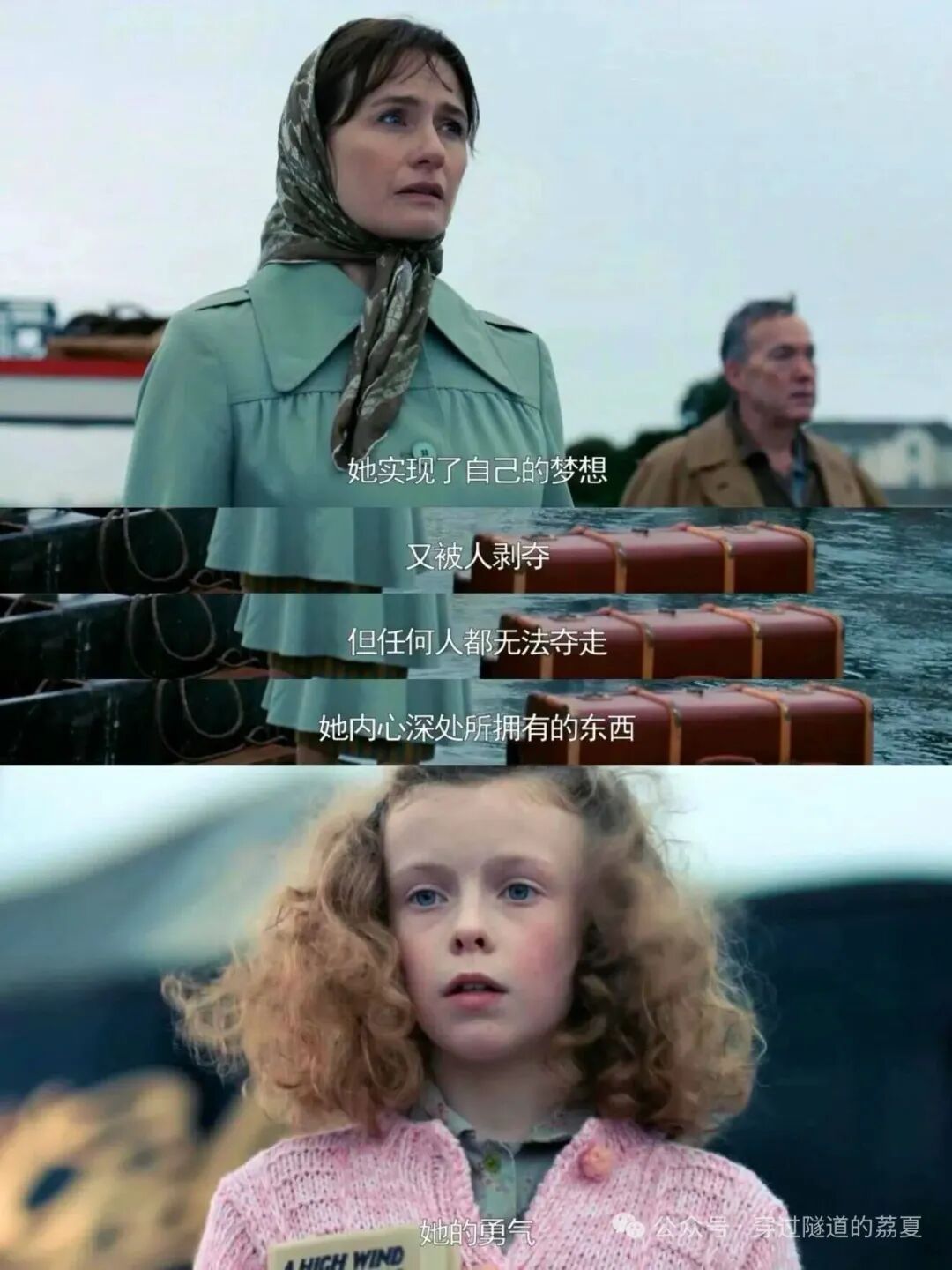
“她实现了自己的梦想,又被人剥夺。但任何人都无法夺走她内心深处所拥有的东西——她的勇气。”
镜头一转,长大后的克里斯蒂娜在自己的书店里说——”格林夫人讲得太对了,在书店里,人永远不会感觉孤单。”
这是一本关于”勇气”的书。
勇气不必轰轰烈烈、改变世界。它也可以是——在一个由加马特夫人定义”什么算合适”的小镇里,仍然郑重地把《洛丽塔》摆上书架。
哈德堡或许真的不需要一家书店。但走过弗洛伦斯这家书店的人,需要。
每一个时代都有自己的加马特夫人。也都有,自己的弗洛伦斯·格林。
《书店》(The Bookshop)
Penelope Fitzgerald / 1978
电影改编 (2017): 伊莎贝尔·库塞特 导演
AI-generated translation.
- A small English seaside town called Hardborough.
Florence Green, widowed before the First World War, has lived alone in the town for over eight years. She decides to spend her life savings opening a bookshop in an old house people say is haunted.
This is the 1978 novel The Bookshop by the British writer Penelope Fitzgerald, shortlisted that year for the Booker Prize.
Hardborough is traditional and closed in, sharply hierarchical, and neighbours have practically no privacy. For a single woman to want to do something serious here is, in itself, an affront.
The bookshop offends the town’s unquestioned authority — Mrs Gamart. She has long been planning to build an arts centre on the site of that old house. The bookshop also picks up a few supporters: the recluse Mr Brundish, the small girl Christine, the part-time worker Raven, and a Boy Scout, Wally.
The shop brings the town a book-lending business — and, eventually, the much-debated Lolita, which causes a great uproar and infuriates Mrs Gamart again and again.
In the end Mrs Gamart, using her vast web of contacts and power, pushes through a law that places the old house in government hands, forcing Florence out.
The novel’s ending has no sentimentality, no dialogue, only a single sentence. Florence is sitting on the train pulling out of town:
“She sat with her head bowed in shame, because the town in which she had lived nearly ten years had no need of a bookshop.”
Fitzgerald’s prose is spare, witty, like a quick sketch — a few strokes and a character is alive.
Of Florence: “From the front she was small and not particularly pretty; from the back, more so.”
Of Mrs Gamart’s entrance: “Her shining dark eyes seemed propped open by some mechanism, stretched as wide as they could go.”
Of Christine, smiling to show two chipped front teeth: “She’d chipped them last winter for no good reason — the clothes on the washing line had frozen stiff, and she’d run smack into a frozen vest.”
Of the landscape painter: “He laughed like a toad, though a toad has very little expression.”
In her writing the absurdity of life and the priggishness of the small town live, peacefully, side by side.
The haunted old house; Florence helping Raven hold the horse’s tongue down so he could file its teeth; the Boy Scout Wally putting a setting hen in his bicycle basket to deliver to his cousin’s half-sister.
At Mrs Gamart’s parties you wouldn’t find the bank manager, the priest or the lawyer — only the mayor, the county gentry, and visitors from London.
When Christine fails her 11+ exam, doesn’t make it into the grammar school, and goes off to the technical school instead, her mother’s reaction is: “She’ll never have a chance to meet and marry a white-collar boy now. There’ll be nobody left for her but labourers or the unemployed. She’ll be washing her own clothes till the day she dies.”
Why is Florence so set on opening this bookshop?
It clearly isn’t a business venture — or she wouldn’t be so casual with the books, wouldn’t spend five shillings on Chinese silk bookmarks only for Christine to sell them on for five pence without her minding.
In her youth Florence had worked at Müller’s, where she’d met Mr Green; they shared a brief, happy marriage.
At Mrs Gamart’s party Florence stands alone, lost. “Who were they? She didn’t care; after all, if they walked into the postal department at Müller’s they would be just as lost.” Müller’s, in that moment, becomes her spiritual home — in unfamiliar social terrain, it gives her a sense of inner steadiness and belonging.
The first stock for her bookshop also came from Müller’s — in some sense, this is also an inheritance.
Florence is no legendary figure. She is brave, kind, drawn to beauty. When Mrs Gamart is slapped by Christine and storms out of the shop in fury, Florence’s first instinct isn’t to run after Mrs Gamart and apologise — it’s to comfort the frightened Christine first. She genuinely believes books are a necessity for people, and running a bookshop is a duty owed to the community.
A good book is the precious lifeblood of a master spirit, embalmed and treasured up on purpose to a life beyond life.
She chooses books not by what will sell but by whether they’re good. So when Lolita is published, she goes specifically to the long-secluded Mr Brundish to ask his opinion.
Brundish replies, “They may not understand it. But that is the good part. Understanding makes the mind lazy.” — that kind of calm, unhurried judgment is rare.
In the latter half of the novel, Mr Brundish decides to come out of his seclusion to negotiate with Mrs Gamart himself. What they say to each other only they will ever know. The result is predictable: the negotiation fails, and Brundish collapses and dies on his way home.
Immediately afterwards, Mrs Gamart sends her husband over with a message for Florence: that day Mr Brundish had come, especially, to congratulate her on the arts centre decision.
It is a bare-faced slander — and a slander aimed at the heart.
The book describes Florence’s reaction to the news: “Now she knew that Mr Brundish himself had accepted the new centre. Somehow this hurt her more than the official notice.”
Reading that paragraph is like watching one of those soap operas that treats viewers like idiots — you want to leap in and yell at the protagonist: they’re lying to you! Mr Brundish stood up for you, for the bookshop!
The 2017 film adaptation handles this more tenderly. In their final meeting Mr Brundish has already, plainly and clearly, told Florence where he stands. That scene is so beautiful, so romantic, so restrained and yet so ardent, carrying on the dry English humour of the book.
“How I wish I had met you at some other time in life.”
“Or I could just shoot her [Mrs Gamart] dead and be done with it.”
So when Mrs Gamart’s message comes, the Florence of the film thinks for only a moment and understands — it’s just another move.
The film’s ending: on the day Florence leaves Hardborough, Christine comes to see her off, holding in her arms the copy of A High Wind in Jamaica that Florence had given her. Just as Florence is about to manage a faint, grateful smile, out of the corner of her eye she catches dark smoke billowing from the direction of the old house — Christine has set it on fire.
The town has taken the bookshop from you; so she’ll destroy it, before it can fall into the hands of the powerful.
“She had realised her dream, and had it taken from her. But no one could take what she carried deep inside — her courage.”
A cut: an older Christine, in her own bookshop, says: “Mrs Green was right. In a bookshop, one is never alone.”
This is a book about courage.
Courage doesn’t have to be earth-shaking or world-changing. It can also be: in a town where Mrs Gamart defines “what is suitable,” still placing Lolita on the shelf with intent.
Hardborough may truly not need a bookshop. But the people who walked through Florence’s bookshop — they needed it.
Every era has its Mrs Gamart. Every era also has its Florence Green.
The Bookshop
Penelope Fitzgerald / 1978
Film adaptation (2017): directed by Isabel Coixet