【书摘】时而夏洛特 [Book Notes] Sometimes Charlotte
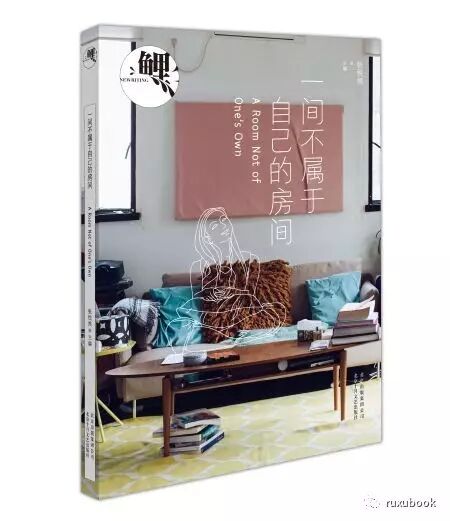
高中的语文老师小草莓说张悦然的文字“像大明湖荷叶上的露珠,很有张力”。十几年前她写“这是个适宜别离的干巴巴的冬季“,青春文学里特有的敏感忧伤、凄婉细腻。近日整理东西翻出几年前的《鲤∙一间不属于自己的房间》,重读张悦然的《时而夏洛特》,讲与年少的自己的重逢。故事背景在小坡,看到许多熟悉的名词:纪伊国屋书店,爱丽丝∙门罗,义安城,榴莲泡芙,乌节路,荷兰村,小贩中心的乌鸦,叻沙……回忆起自己在小坡这两年,似乎是后青春期的延续。“太猛烈的事就像过于强劲的曝光,无法在记忆里显影,只留下一团白茫茫的亮。” 有一天拔掉刺,失去光,治愈了年少的热病,健康正常的活在生活之中,再回头看可能也不过一个亮斑而已。
时而夏洛特(节选)
张悦然
我当然有一张清单。在头脑里,写着那些想去的地方。我当然也知道那是很危险的,所有的故地重游,很可能成为你最后一次拜访那个地方,并且从此停止对它的思念。那意味着某种情感的完成,或者再坦诚一点——一段过去的终结。
纪伊国屋书店在义安城的三楼。从前周末常常会到这里来,好多繁体字的书。在书架中间席地而坐,看上整整一个下午,然后相当为难地从中选出一本买回去。爱丽丝∙门罗的第一本书是在这里买的,那时候她叫孟若。还认识了安洁拉∙卡特,《焚舟记》好贵,狠了又狠心才终于买下来。后来一直带在身边的那本《圣经》也是在这里买的,繁体字的,只因为她和我说里面的字句美。
乘扶梯到高岛屋的地下一层,买到了榴莲泡芙,想念微冻的榴莲肉在口腔里苏醒的感觉。一盒有四只,坐在休息椅上慢慢吃。商场中央,巨型的圣诞树已经竖起来。
不知今年乌节路的彩灯会是什么样。热天里过寒冷的节,像按照别人的脚本在演戏。那年圣诞她带我去教堂,喝了代表圣血的果酒,在祷告时大哭。回去的路上,在Swensen’s买了好大一个树根蛋糕。太甜了,我们一直吃到了新年。许多记忆都跟甜食有关……Munchy’s的花生夹心饼干。甜豆花布丁。浓稠椰奶做的磨磨喳喳。
我把自己关在房间里吃啊吃。幽闭症患者需要有一只甜的胃。
傍晚时分我来到了荷兰村,乘坐新修的地铁。那座很破的楼还在,开着各种古怪的商店。卖古董家具、纱丽和妖娆的香氛。几年前,以前租住的公寓的房东就在二楼头上那一间卖花。绢做的,艳丽的花,从中国南方小城运过来。她是个有风韵的江南女人,在小岛上过得很寂寞。与小她十岁的男大学生同居,供养他的生活。他离开她的时候,她险些用铁丝做的花茎勒死自己。
超市还在原来的位置。旁边是印度人开的报纸摊,可以在那里买烟和兑换钱。拐角处是面包店。过了马路,街那边是一排咖啡馆,从前常去里面温习功课。功课很差,书怎么也看不进去,整个下午都用来发呆,在纸巾上写写画画。
逃课,也不想回家,在那样的时候,就会到荷兰村来。这里有所有能抚慰人心的东西。食物和酒。哦对,还有药。咖啡馆的尽头藏着一家小小的诊所。在那里,医生给我过一小袋治疗失眠的药,还有一张建议休学一段时间的病假条。
再转弯,咖啡馆的背后就是那条霓虹闪烁的小街,两边开满了酒吧。那间酒吧已经改了名字。重新装修过,换了桌椅,但深暗色的色调没有换。我从二楼的露台坐下来。吊扇在头顶上缓慢的转着。一如从前。好像就在这里,这个位置,我有生第一次喝醉。那时候觉得酒好苦,人生好长。结果这些结论都是错的。
喝醉的那一次,深夜从家里跑出来。只是想逃离那幢房子,去任何地方都好。
然而现在我却只想回到那幢房子里去。去遍了所有从前去的地方,能唤起的回忆少得可怜。它们的总和都没有留在那幢房子里的多。我非常想念它。
记忆总是犯错。我以为自己离开以后,她还住在那幢房子里。一直住下去。有几次梦见回来看她,都是在那里。客厅里还是很暗,空调仍旧是坏的,冰箱上的磁贴压着几张电费单,一切都是老样子,好像随时等着我回去。
但她已经离开了。离开了那幢房子。离开了这个小岛。
她的城市。在心里我已经习惯了这样称呼这个小岛。在她离开以后,它就成了一座空城了。
酒店在市中心,地图显示离博物馆不远。空闲的下午,忽然想去那里看一看。在这里居住五年,都不曾到过的地方。
我好像从未来过这一带。附近没有住宅楼,没有超级市场和露天食肆。这里的一切都与日常生活无关,它们是属于观光客的。就像现在的我。虽然极力想要否认这个身份,可还是在去博物馆的途中迷了路。觉得开口问路人未免太羞愧,就一个人闷头寻找。
穿过殖民地风情的小圆楼,墙壁上荡着迷离的树影。大片的草坪上落满了缅栀花。午后的喷泉闪着洁白的光。一个小女孩捏着太阳帽跌跌撞撞地跑过步道。走着走着,天空中不知不觉落雨了,然而阳光仍旧浓盛,薄荷色的小光斑在眼前跳动。这城市是如此美,我从未有过地感慨道。甚至有那么一刻,竟然忘情地想,或许可以在这里多停留一些日子。
找到博物馆的时候,雨已经停了。两只白色的鸽子站在台阶上。我不记得在这座小岛上看到过鸽子。我只是记得乌鸦,盘旋在小贩中心的上空。刚来这城市的时候不知道它们的厉害,有一次中途离开座位去拿汤匙,回来的时候它们已经在啄食桌子上没有吃完的饭了。那情景真让人沮丧,好像在这城市连鸟也要欺负你,一点起码的尊重都得不到。后来总是在清晨或者雨后,那些特别寂寥的时候,会听到乌鸦的叫声。“啊。啊。啊。”恍悟似的一声喟叹,好像发现了什么糟糕得不得了的秘密似的。好像每次心情很差的时候,都会忽然察觉它们的存在,一抹狡黠的黑影从眼前掠过,像是在挑衅。
这一次却连一只乌鸦也没有见到。那么多的乌鸦,都到哪里去了呢?
这座城市或许有两个世界吧。一个是属于乌鸦的,一个是属于鸽子的。此前我一直生活在乌鸦管辖的那个世界里。地下道似的世界,幽仄,匮乏,狼狈。没有光,爱结成一颗畸瘤。
阳光下,台阶上的鸽子踱着小步,优雅地抖了抖翅膀上的水滴。
博物馆里陈列着热带植物手绘图。“要是你留心,会发现它们就在你的身边……”女老师对一群参观的孩子说。而我几乎一种也没有见过。还有那些羽毛斑斓的大鸟,装在彩色罐子里的古怪香料。
三十年代的织布机,六十年的旗袍。原来小岛上也有它逝去的好风华。
站在二楼的窗口望出去,远处的草地上有一对亲吻的新人。两人吻了那么久,以致我以为他们是雕塑。然而那吻是真的。这里当然有人是在爱着的。阳光下郁郁葱葱的爱。
“这里没有人会说‘上一个冬季’或者‘下一个春天’,因为这个地方没有四季。年复一年日复一日,犹如纽约经历热浪般,人人常年如夏地过着日子,身子却依然健朗。”
1940年的《国家地理杂志》上,记者这样介绍这个国度。博物馆空寂的展厅里,我小声念着这段印在墙上的话,试着和这个小岛重新认识一次。
我忘记最终我们是怎样决裂的了。我又是如何搬出了那幢房子。太猛烈的事就像过于强劲的曝光,无法在记忆里显影,只留下一团白茫茫的亮。
后来,我离开了那座城市,你则选择留下。从此再也没有联系。一切好像就应当这样结局。再后来,关于热带的记忆,渐渐与关于你的记忆熔炼在一起。想到雨水的气味就会想起你。想到叻沙的浓辣的汤头也会想起你。你的国度,我在心里这样称呼那个炎热的小岛。我小心翼翼地想念着它,想象着再一次造访它的情景——我们隆重地重逢。
谁也没想到我们再见面会是在北京。六年后,你来到这座我生活的城市定居。换了时空,彼此都有了一份时过境迁的豁达,于是恢复了联系。如同找回了某件心爱之物,总想找个显赫的位置把它摆放起来。怀着让你重新走进我的生活的愿望,这个下午,我邀请你来我家做客。
我们面对面坐着。我看着你,忽然很难过。眼前的你太正常了,也太健康了。从前那种令人着迷和恐惧的阴鸷之气已经离你而去。我曾如同害怕恶灵一样害怕它,害怕被它充满,随你一起沉坠——我相信那是你无法逃脱的宿命。可那好像只是年少时的一场热病。你已经康愈,脱胎换骨。然而我看着这个新的你,只觉得深深失望。原来庸常是比堕落可怕一百倍的事。
你也在望着我。那张脸上同样也没有你要找的东西。你黯然地把头转开了。
我知道你对我也有同样的失望。
拔掉了刺,失去了光。我们终于可以心平气和的坐在一起了。彼此无话,却很自然地坐着。一切都挺好的,我想,只是实在想不出还有什么再见面的必要了。
胶水坡。伯爵。狸猫。鳄鱼。鸽子。十九。吹风机。Bel Canto。断翅的蝴蝶。昂宿星团。Scarlet。我把这些与你有关的词语写了下来。它们是沿途散落的面包屑,大多数都被风吹走了,又或者是被谁吃掉了,只剩下那么寥寥几颗。它们已经无法作为路标,让我们循着回到来的地方了。
AI-generated translation.
My high-school Chinese teacher Xiao Caomei (Little Strawberry) once said Zhang Yueran’s prose was “like dewdrops on the lotus leaves of Daming Lake — full of tension.” More than a decade ago, she wrote, “This is a dry-bone winter suited for parting.” That sensitivity, that grief, that elegiac fineness, peculiar to youth-literature. Recently, sorting through some things, I dug out the old anthology Carp · A Room That Doesn’t Belong to You, and re-read Zhang Yueran’s “Sometimes Charlotte” — a story about meeting her younger self again. The story is set in the “small island” (Singapore), and I came across so many familiar terms: Kinokuniya bookstore, Alice Munro, Ngee Ann City, durian puff, Orchard Road, Holland Village, the crows in the hawker centres, laksa… It brought back my own two years on that small island, which felt like an extension of post-adolescence. “Things too violent, like an over-strong exposure, can’t develop in memory — they leave only a haze of white brightness.” Maybe one day the thorns get pulled out and the light is lost, the fever of youth is cured, and you live healthily and normally inside your life; looking back, perhaps it is no more than a bright spot too.
Sometimes Charlotte (excerpts)
Zhang Yueran
Of course I have a list. Inside my head, written with the places I want to go. Of course I also know it’s dangerous. All revisits to old places very easily become your last visit to them — and afterwards you stop missing them. That means a certain emotional completion, or, more candidly, the end of a piece of the past.
The Kinokuniya bookstore is on the third floor of Ngee Ann City. I used to come here often on weekends; so many traditional-character books. I would sit cross-legged among the shelves and read through an entire afternoon, and then, with great difficulty, choose one to take home. Alice Munro’s first book I bought here — back then she was translated as Meng Ruo. I also discovered Angela Carter; Fireworks was so expensive, I had to brace myself twice before finally buying it. The Bible I kept by my side for years, in traditional characters, I bought here too — only because she had told me the words in it were beautiful.
I took the escalator down to the basement of Takashimaya and bought durian puff, missing that feeling of slightly chilled durian flesh reviving inside the mouth. A box has four; I sat on the rest bench and ate them slowly. In the centre of the mall the giant Christmas tree had already been put up.
I wonder what the lights of Orchard Road will look like this year. Celebrating a cold-weather holiday in tropical heat is like performing in someone else’s script. That Christmas she took me to a church; I drank the fruit-wine that stood for the blood of Christ, and burst into tears during prayer. On the way home, at Swensen’s, we bought an enormous Yule-log cake. So sweet — we kept eating it until the New Year. So much memory is tied to sweet food… Munchy’s peanut-cream biscuits. Tofu pudding with sweet syrup. Bobo chacha thick with coconut milk.
I locked myself in my room and ate and ate. A claustrophobic needs a sweet stomach.
By dusk I had reached Holland Village, on the newly built MRT line. The same shabby building is still there, with all kinds of odd shops — antique furniture, saris, lurid perfumes. A few years ago, the landlady of the apartment I rented from had her shop on the second floor, selling flowers. Silk flowers, gaudy, shipped over from a small city in southern China. She was a woman from Jiangnan with a kind of weathered grace, living a lonely life on this small island. She lived with a male undergraduate ten years younger than her, supporting him. When he left her, she almost strangled herself with the wire stems of the flowers.
The supermarket is still in its old spot. Next to it, the Indian-run newsstand where you can buy cigarettes and change money. At the corner, the bakery. Across the road, a row of cafés where I used to come to do schoolwork. My schoolwork was bad; I couldn’t get the books to go in, no matter what. Whole afternoons would go on staring into space, scribbling on tissue paper.
When I cut class and didn’t want to go home, those were the times I’d come to Holland Village. Everything that could soothe was here. Food and alcohol. Oh, and medicine. At the end of the row of cafés was a small clinic. There, the doctor gave me a little packet of sleeping pills, and a medical note recommending a temporary withdrawal from school.
Turn again, and behind the cafés is the neon-lit little street, both sides crowded with bars. That bar has changed its name. It has been redecorated; chairs and tables are new, but the dark colour scheme is the same. I sat down on the second-floor terrace. The ceiling fan turned slowly above my head, as before. It was right here, in this very seat, that I got drunk for the first time in my life. At the time I thought alcohol was very bitter, and life was very long. Both conclusions turned out to be wrong.
That drunken time, I ran from home in the middle of the night. I only wanted to escape that house. Anywhere else was fine.
But now what I want is to go back to that house. I have been to every place we used to go, and the memories I can stir up are pitifully few. All of them, added up, are less than what stays inside that house. I miss it so much.
Memory always makes mistakes. I had thought that after I left, she still lived in that house. Lived on, indefinitely. A few times I dreamed of going back to see her, all in that place. The living room still dim, the air conditioner still broken, magnets on the fridge holding down a couple of electricity bills, everything as before, waiting for me to return at any moment.
But she had left. Left that house. Left the small island.
Her city. In my heart I have got used to calling that small island this. After she left, it became an empty city.
The hotel was in the city centre, not far from the museum on the map. On a free afternoon I suddenly wanted to go and look. In all my five years of living here I had never been there.
I felt as if I had never come to this part of town. No residential buildings nearby, no supermarkets, no open-air eateries. Everything here is unrelated to daily life — it belongs to tourists. Like me, now. Although I tried hard to deny that identity, I still got lost on the way to the museum. It felt too humiliating to ask passers-by, so I just kept searching alone.
I walked through the small colonial-style rotundas; tree-shadows shifted on the walls. Across the wide lawn, scattered frangipani flowers. The midday fountain glittered with clean white light. A little girl, clutching her sun hat, stumble-ran across the path. As I walked, without my noticing, rain began to fall, yet the sunlight still poured down thickly, and small mint-coloured points of light jumped before my eyes. This city is so beautiful, I sighed — and I had never sighed that before. There was even a moment when I helplessly thought: maybe I could stay here a little longer.
When I found the museum the rain had stopped. Two white pigeons stood on the steps. I don’t remember seeing pigeons before on this small island. I only remember the crows, circling above the hawker centres. When I had just arrived, I didn’t know how fierce they were. Once, I left my seat for a moment to fetch a spoon, and when I came back, they were already pecking at the unfinished food on the table. That sight was crushing — as if even the birds in this city had to bully you; I couldn’t even be granted basic respect. Later, in the very early mornings, or after rain, in those lonely hours, I would hear the crows. “Ah. Ah. Ah.” A sigh as of sudden realisation, as if they had discovered some terrible secret. It seemed that every time my mood was at its worst, I would suddenly become aware of them: a sly black shadow brushing past my eyes, like a taunt.
This time I did not see a single crow. Where had they all gone?
Perhaps this city has two worlds. One belongs to crows; one belongs to pigeons. Until now I had lived in the world the crows governed. An underpass-like world: dim, lacking, undignified. No light, and love grew like a deformed tumour.
In the sunlight, the pigeons on the steps stepped in small paces, gracefully shook the water from their wings.
In the museum were hand-drawn botanical prints of tropical plants. “If you watch for them, you’ll find they are right around you…” a teacher told a group of visiting children. I had not seen even one of them. There were also the large birds with brilliant plumage, the strange spices in coloured jars.
Looms from the 1930s, cheongsams from the 1960s. So even a small island has its own fine times now passed.
Standing at the second-floor window I looked out and saw, on the far lawn, a couple kissing. They kissed so long that I had thought they were a sculpture. But the kiss was real. There are people here, of course, who are in love. Lush love under the sun.
“Here no one says ‘last winter’ or ‘next spring,’ because this place has no seasons. Year on year, day after day, like New York in a heat wave, everyone goes through life as though it were perpetually summer — yet the body remains strong and well.”
That was how a National Geographic reporter in 1940 described this country. In the empty galleries of the museum I read this line aloud, quietly, trying to make the acquaintance of this small island once again.
I have forgotten how we, in the end, fell apart. And how I moved out of that house. Things too violent are like an over-strong exposure — they cannot develop in memory, leaving only a haze of white brightness.
Later, I left that city; you chose to stay. From then on, no contact. It was as if everything should end this way. Later still, my memory of the tropics gradually fused with my memory of you. The smell of rain made me think of you. The dense spicy broth of laksa made me think of you. Your country — that was how I called that hot small island in my heart. Carefully I missed it, imagining what it would be like to visit again — our solemn reunion.
Neither of us imagined we’d see each other again in Beijing. Six years on, you came to the city I was living in, settled. With a change of place and time, both of us carrying a kind of seasoned poise, we resumed contact. As if you had recovered something dear and wanted to set it in a place of honour. Hoping to bring you back into my life, this afternoon I invited you over.
We sat face to face. I looked at you and suddenly felt sad. The you before me was too normal. Too healthy. That fascinating and terrifying sullenness was gone from you. I had feared it the way one fears an evil spirit, feared being filled with it, sinking together with you — I had believed that was the destiny you could not escape. But it turned out to be only a youthful fever. You had recovered, been reborn. And yet looking at this new you, I felt only deep disappointment. The ordinary, I realised, is a hundred times more terrifying than degeneration.
You were watching me too. The face before you didn’t have what you were looking for either. Dejected, you turned your head away.
I knew you were disappointed in me too.
The thorns pulled out, the light lost. We could finally sit together with calm in our hearts. We were silent with each other, but the silence felt natural. Everything was quite all right, I thought; only, really, I could not see any reason for us to meet again.
Glue Hill. Earl. Civet. Crocodile. Pigeon. Nineteen. Hair-dryer. Bel Canto. Broken-winged butterfly. Pleiades. Scarlet. I wrote down these words that have to do with you. They are breadcrumbs scattered along the road; most have been blown away by the wind, or eaten by someone — only a few are left. They can no longer serve as signposts to lead us back to where we came from.