《她乡》+《去有花的地方》 *Her Hometown* + *To the Place Where the Flowers Are*
陈慧被称为“菜场作家”,她是浙江菜市场里推小车卖百货的“三道贩子”,也是出了五本散文集的作家。
她上午摆摊,下午写作,出书成名。被央视报道,和鲁豫对谈,被张越采访。有人劝她专职写作,或者趁热度做直播,她不为所动,依然每天出摊,不仅是为了维持生计——她贪恋菜市场的人间烟火。
我是在《岩中花述》里认识陈慧的,准确的说是认识她的声音。陈慧的声音清脆,讲话又短又快,像豆子一样,很有生命力。她1978年出生于江苏省如皋市,少年被送养,青年生病远嫁,中年离异——粗看起来是不算幸福的一生,她自己口里讲出来却不觉得苦。
小时候被送养,寄养家的爸爸妈妈还有爷爷奶奶,都对她疼爱有加,给她一个温暖有爱的童年。她嘴馋,养父宠爱她,零食零花钱都很充裕,奶奶烧红烧肉,会先盛小半碗让她“尝尝咸淡”。
她熟谙人性的复杂和多面,养父在她心中是一个一百分的父亲,但却是一个不及格的丈夫。从亲生父母、养父母、爷爷奶奶、小姨和姑姑们的家庭中,她看到婚姻生活的不同样本。对于自己的婚姻,她总是一带而过,从不谈及细节。她说:“挣脱婚姻是一个漫长的过程,老咀嚼过去的痛苦是为难自己”。她不接“大女主”的标签,也不鼓励女性为了追求自我就去离婚,她坦言: “离婚与否,是现实利弊的各种权衡”。
听完那期播客,我就对这个充满了生活智慧、通透又自洽的嘉宾很有好感。最近,读了她的两本书《她乡》和《去有花的地方》,阅读体验轻松愉悦。
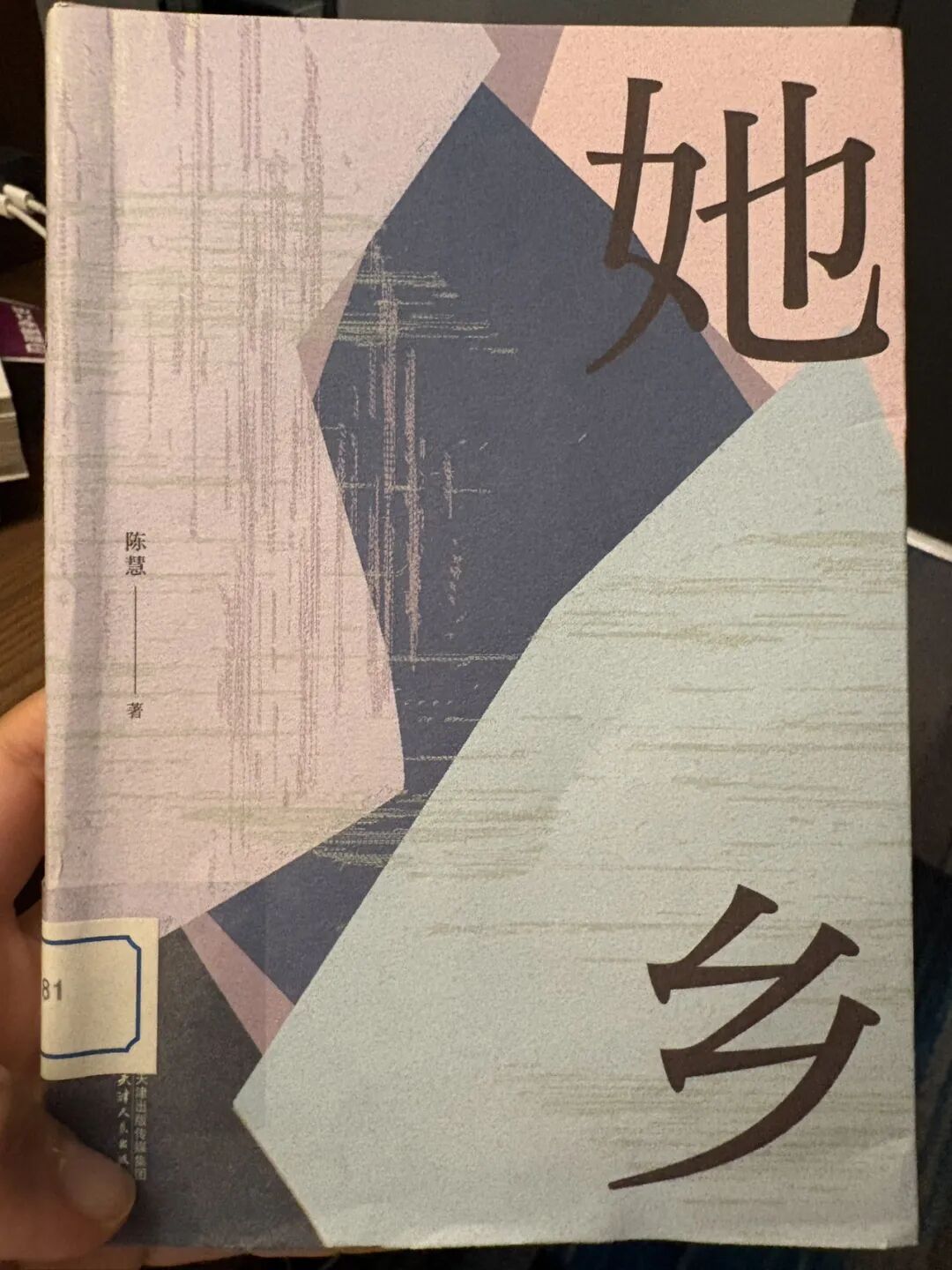
《她乡》是陈慧写身边女性的书。每一篇,都浓缩着一个“她”的一生。出差途中,我在飞机上一口气读完,文字质朴温润,却极有力量,记录那些平凡女性数十年的光阴流转,真实而动人。
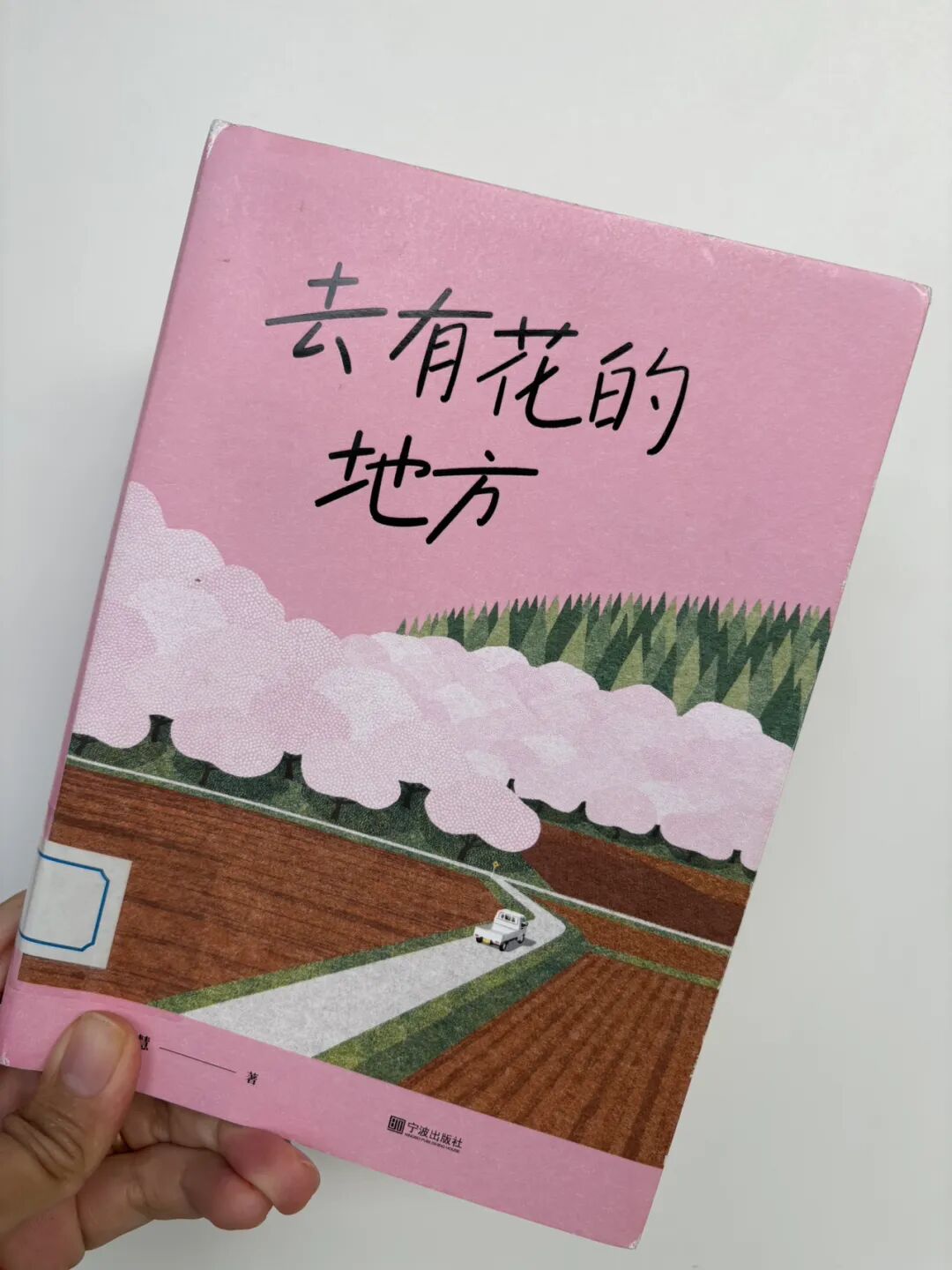
《去有花的地方》是陈慧跟随蜂农追逐花期的散文集,让人想起李娟写牧民转场的文字。书写旅途中遇见的人与事,清淡却有余味。
但对我而言,它最大的收获,大概是“奇怪的知识”又多了一点:原来专业蜂农像牧民一样,也要随着花期不断转场;原来蜂王也分偏重产蜂蜜的“蜜王”和偏重产蜂王浆的“浆王”;原来蜂王浆的制作过程如此复杂;甚至还知道了,蛇是怕鹅粪的。
读书之后不久,我遇到一件小事:有一次快递显示已在门口签收,却怎么也没找到。我联系了快递小哥,发现他以前也是养蜂人。那一刻忽然生出一种莫名的亲切感,索性也就不再追究了。
正午的阳光闪闪发亮,热气逼人,像是打算在这个凝固着的院子里翻晒一些什么。灰蒙蒙的老房子披着斑斑驳驳的墙皮,风越过低矮的围墙,摇动着墙角的茶花树。一口笨拙的老井,井沿上泛滥着厚腻的青苔。二楼的阳台浅浅的,靠西边的房间,门上的油漆红不红,黄不黄。在那扇颜色暖昧的门后面,是这个被称为“家”的空间,向秋囡裂开的唯一一道缝隙。其他的缝隙,哪怕她低头哈腰,忍着锥心的痛,把自己锻打得没了形状,还是钻不进去。
陈慧《她乡》
琴心灵手巧,千活儿细致,还不生是非,深得雇主器重。她做保姆的那户人家的女主人是中医院的针灸医生,在详细地询问了琴的家庭情况后,并不相信“哑奶”一说,坚持把琴带到医院去做了全身检查。琴的口腔和喉部先后做了小手术,针灸医生又不厌其烦地帮琴针灸了半年。奇迹出现了,原以为要哑一生的琴居然渐渐地能说话了。
针灸医生怜惜乖巧的琴,不舍得她继续做保姆,送她到裁缝铺子里去当了学徒。两年期满,琴在县城里开了一间取装加工店,她手艺精湛,待人彬彬有礼,生意极为忙碌,賺的钱不但给杨光明老两口子翻盖了三间红砖瓦房,还把读中专的娟一直供到毕业。
陈慧《她乡》
琴的样貌好,身材苗条,许是少时那一段与众不同的经历,她的气质要比寻常的女孩子更显得淡雅娴静。一些来店里做衣服的热心女顾客争着帮她做媒,她都婉言拒绝了。
琴不顾杨光明的反对,执意嫁给她聋哑学校的同班同学,一个开朗阳光的哑巴男孩。琴把所有的语言都留在家外,一旦回到只有两个人的小家中,她的嘴里从不会吐露一个字。她与丈夫之间共有的,只是舞蹈一样优美的手势,只是脉脉对视的眼神和彼此心照不宣的一笑。
陈慧《她乡》
由于烧饼的缺席,八里在我心中的地位直线下降。我是个守旧的“七零后”,在没有肯德基、麦当劳,也没有蛋糕和奶茶的年代,七分钱一只的葱油大烧饼是划亮童年的一道光。当香酥的外皮和喷香的葱油交织在唇齿之间,幸福就会像花儿一样绽满天灵盖。这些年,无论走到哪里,我都会在第一时间去街头巷尾探访当地人的烧饼摊子,通过味蕾与一只甫出炉的“土著烧饼”的窃窃私语,去触及一个陌地的灵魂。我吃过扬州的烧饼、黄桥的烧饼、温州的烧饼、安徽的烧饼、广西的烧饼、无锡的烧饼…纵然原材料一模一样,地区不同,烧饼的口味也相去甚远。
陈慧《去有花的地方》
闲是有段位的,有的人闲极无聊,有的人闲极崩溃,有的人则闲极生趣。如我这般将日子过得像针脚一样密实的中年人,早已习惯了在时间褶皱中自得其乐。
陈慧《去有花的地方》
AI-generated translation.
Chen Hui is known as the “market-stall writer.” She runs a small dry-goods cart in a vegetable market in Zhejiang — a “third-tier vendor” by trade — and she is also the author of five essay collections.
She runs her stall in the morning, writes in the afternoon, and has, over the years, become well known. She has been covered by CCTV, talked with Chen Luyu, been interviewed by Zhang Yue. People have urged her to write full-time, or to ride her fame into livestream commerce — she has not budged. She still sets up her stall every day, not only to earn a living but because she loves the human warmth of the market.
I first met Chen Hui through the podcast Yan Zhong Hua Shu — more precisely, met her voice. Her voice is crisp and bright; she talks short and fast, like beans clattering, full of life. She was born in 1978 in Rugao, Jiangsu province. Sent away to a foster family as a child, married off far from home in her youth after falling ill, divorced in mid-life — on paper, it doesn’t sound like a happy life. From her own mouth, though, it never sounds bitter.
The foster parents, and the grandparents in that household, were warm and doting; they gave her an affectionate childhood. She had a sweet tooth, and her foster father indulged her — snacks and pocket money were always plentiful. When her grandmother braised pork, she’d first ladle out a small bowl for Chen Hui to “test the salt.”
She’s clear-eyed about how complicated, how multi-faced, people are. To her, her foster father was a one-hundred-out-of-a-hundred father, but a failing-grade husband. Through the families of her birth parents, her foster parents, her grandparents, her aunts, she saw many different samples of married life. About her own marriage, she only ever brushes past it; she never goes into details. She says: “Breaking out of a marriage is a long process; chewing on past pain over and over is just being cruel to yourself.” She refuses the label of “alpha woman” and doesn’t push other women to chase self-realisation by leaving their marriages. She is candid: “Whether or not to divorce is a weighing of real-world pros and cons.”
After that podcast, I felt deep affection for this guest — full of life wisdom, lucid and at home with herself. Recently I read two of her books, Her Hometown and To the Place Where the Flowers Are. The reading experience was light, easy and joyful.
Her Hometown is Chen Hui’s book about the women around her. Each piece compresses a “her” — one woman’s life. On a work trip, I read it straight through on the plane. The prose is plain and warm, and yet enormously strong; it records the decades-long arcs of ordinary women, true and stirring.
To the Place Where the Flowers Are is a collection of essays Chen Hui wrote while travelling with apiarists, following the bloom from place to place. It calls to mind Li Juan’s writing on herders moving between pastures. The essays are about people and incidents met on the road — light in flavour, but with a long aftertaste.
For me, though, the biggest takeaway from the book may just be a small clutch of “strange knowledge”: that professional beekeepers, like nomadic herders, follow the bloom season from one place to the next; that queen bees come in two specialisations, “honey queens” and “royal-jelly queens”; that the process of producing royal jelly is intricate; even that snakes are afraid of goose droppings.
Not long after I read the book, a small thing happened. A delivery notification said my parcel had been signed for at the door, but I couldn’t find it anywhere. I called the courier and learned he had once been an apiarist. A peculiar warmth bloomed in me right there, and I let the matter go.
The noonday sun glittered, the heat pressed down, as if it were trying to sun-dry something in this frozen courtyard. The grey old house wore its peeling plaster in patches; the wind crossed the low compound wall and stirred the camellia in the corner. There was a clumsy old well, its rim slathered thick with moss. The second-floor balcony was shallow, and on the west side a door’s paint was neither red nor yellow. Behind that ambiguously coloured door, in the space called “home,” was the one crack open to Xiang Qiunan. The other cracks — even when she bent low, swallowed her piercing pain, and beat herself out of shape — she still could not slip through.
— Chen Hui, Her Hometown
Qin was clever-handed, meticulous in her work, never one to stir trouble. Her employer thought the world of her. The lady of the house where she worked as a nanny was an acupuncturist at a traditional-medicine hospital; after probing into Qin’s family circumstances in detail, she refused to believe in this “wet-nurse muteness” thing and insisted on taking Qin to the hospital for a full examination. Qin had two minor operations, on her mouth and throat. The acupuncturist then patiently treated her with acupuncture for half a year. A miracle: Qin, whom everyone had assumed would be mute for life, slowly began to speak.
The acupuncturist took pity on the gentle Qin, couldn’t bear to keep her as a nanny, and sent her to a tailor’s shop as an apprentice. Two years on, Qin opened a small tailoring shop in town. Her work was excellent, her manners impeccable, business was non-stop, and the money she earned not only rebuilt three brick-tile rooms for the Yang Guangming household but put Juan through the entire technical-college programme.
— Chen Hui, Her Hometown
Qin was good-looking and slender. Perhaps because of that unusual stretch of her youth, her bearing was more quietly elegant than that of an ordinary girl. Some warm-hearted women customers in the shop scrambled to make matches for her — she politely declined them all.
Against Yang Guangming’s objections, she insisted on marrying her classmate from the school for the deaf and mute — a sunny, open-natured deaf-mute young man. Qin left all her speech outside their home. The moment she returned to that tiny home of just the two of them, not one word came out of her mouth. What they shared was dance-like hand gestures, gazes meeting in silence, and the unspoken understanding of a shared smile.
— Chen Hui, Her Hometown
With the shaobing gone, Bali’s standing in my heart fell off a cliff. I am a stubborn member of the “post-1970s.” In an era without KFC, McDonald’s, cakes or bubble tea, a seven-fen spring-onion big shaobing was a flash of light cutting open my childhood. When the crisp crust and the fragrant scallion oil met in the mouth, happiness bloomed across the top of your head like a flower. In all my years, whichever city I went to, the first thing I’d hunt for was the local shaobing stall in some alley — through that small dialogue between taste-buds and a still-warm “native shaobing,” I’d try to touch the soul of a strange place. I’ve eaten the shaobing of Yangzhou, of Huangqiao, of Wenzhou, of Anhui, of Guangxi, of Wuxi… same raw materials, different region, and the taste can be worlds apart.
— Chen Hui, To the Place Where the Flowers Are
Idleness has its grades. Some people bore themselves to death in idleness, some collapse, some make idleness into a source of small joys. As a mid-life person with my days packed as tight as needle-stitches, I’ve long since learnt to find quiet pleasure inside the folds of time.
— Chen Hui, To the Place Where the Flowers Are