阅读周记 Reading Weekly Notes
by: mumu
借书对于驱动我阅读特别有效。主要原因有两个:第一,Deadline就是生产力,好几次都是赶在借阅时间到期前飞速读完;第二,在还书之前(尤其是在遇到特别喜欢的内容时),总想着留些笔记,主要为了实现借阅利益的最大化,这也促使自己对阅读的内容进行梳理。现在下一期的借阅包裹已经在手边了,我蠢蠢欲动想打开看瞧瞧,但是上一期的读书笔记还没写完,“没有完成上一期笔记就不可以开下一期!”唉,强迫症的自己真是让人抓狂。
迪奥的时尚笔记
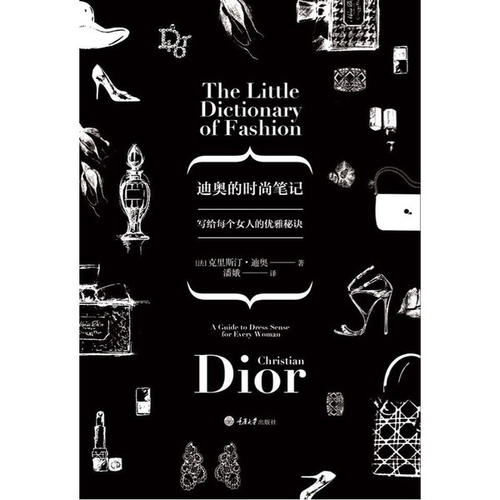
这本轻薄的小书是迪奥创始人Christina Dior的时尚笔记,他针对每一个时尚元素,给出了专业见解和实用建议。书初出版在二十世纪五十年代,其中关于服装材质,元素设计,配饰搭配的建议,六十多年后的今天读起来也一点都不过时。迪奥先生认为优雅是个性,自然,精心和简洁的正确组合。除此之外,绝无优雅可言。其中最重要的是精心。他提倡:精心穿戴,精心打理。最让人惊讶的是迪奥作为代表性的奢侈品牌之一,竟然秉持奢侈是优雅的反面。优雅可以大胆出位,但永远不可以奢侈,铺张奢侈是品味差的表现。宁愿在朴素中犯错,也强过在穿着打扮上奢侈浪费。
1957年迪奥先生去世后,Yves Saint Laurent接任迪奥的首席设计师,当时年仅21岁。他出生在法属阿尔及利亚(加缪的《鼠疫》故事发生地),1960年阿尔及利亚战争爆发时被应征入伍。不知是因为性格内向还是同性恋的缘故,当年他宣称精神崩溃入院接受治疗,从此和迪奥分手,另起炉灶创办了YSL,于是后来就有了常年断货的千颂伊52号。
如父如子
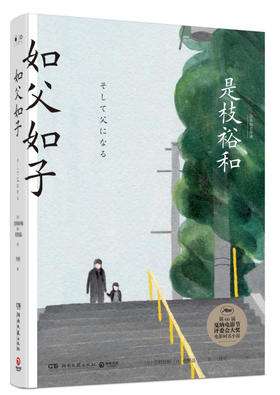
读《如父如子》哭得一塌糊涂。明明是一个虚构的故事,情节人物有很重的设计感,可还是被深深的感动。两个男孩临上小学前收到医院通知被抱错了,为了给孩子回归亲生父母身边做准备,两个家庭开始接触。一家是每天忙于工作无暇陪伴孩子的建筑师爸爸,一家是天天和娃插科打诨玩成一片还会修理电动玩具的小店主爸爸。不同的社会阶层不同的家庭氛围不同的相处模式引发出一连串的故事,两个家庭也在这一过程中各自反思。养育过程中培养的情感,尤其是孩子对父亲的爱却是同样的纯粹。这类亲情卦一向很容易戳中我的泪点,但是不得不承认,是枝裕和特别擅长讲亲情故事。去年看他的《小偷家族》和《海街日记》,电影里很少有剧烈的戏剧冲突,家庭成员自己的内心情绪,成员之间的感情牵绊,都通过对人物表情动作和对话的淡淡描述流露出来,很东亚很李安。
读书的时候不知道这是一部电影,看完书跑去看了下电影介绍片又哭了一遍。
阅读是一座随身携带的避难所
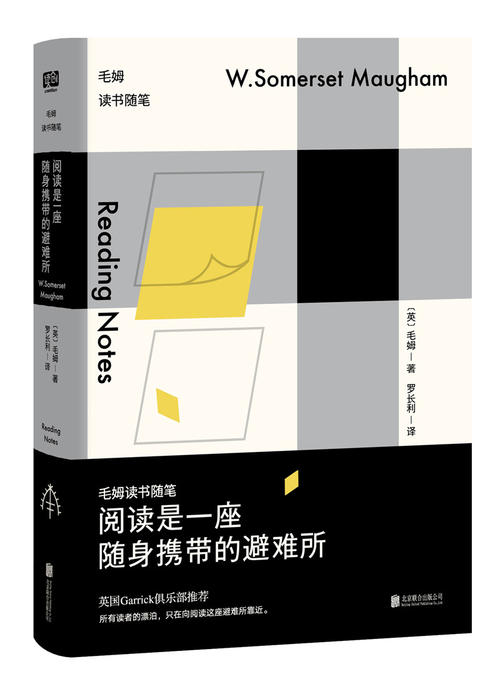
毛姆的读书随笔,有趣且干货满满。毛姆认为愉悦是阅读的第一要义,作家(尤其是小说家)不应该担任传播知识的职责。
在“怎样的人写出怎样的书”里毛姆分享了很多文学巨匠的个人生活经历,当作八卦读起来津津有味。简奥斯丁、司汤达、狄更斯、福楼拜、巴尔扎克、陀思妥耶夫斯基在毛姆笔下不再是文学史上一个个冷冰冰的名字,而是在生活的颠沛流离中挣扎沉浮的活生生的普通人。许多伟大的作品也并非灵光一现的创作,更多是为生活所迫倒逼出来的日积月累的工作。文豪们常常在作品中的对人性的弊端进行探讨,然而现实生活里他们常常自己恰恰是人性的俘虏。
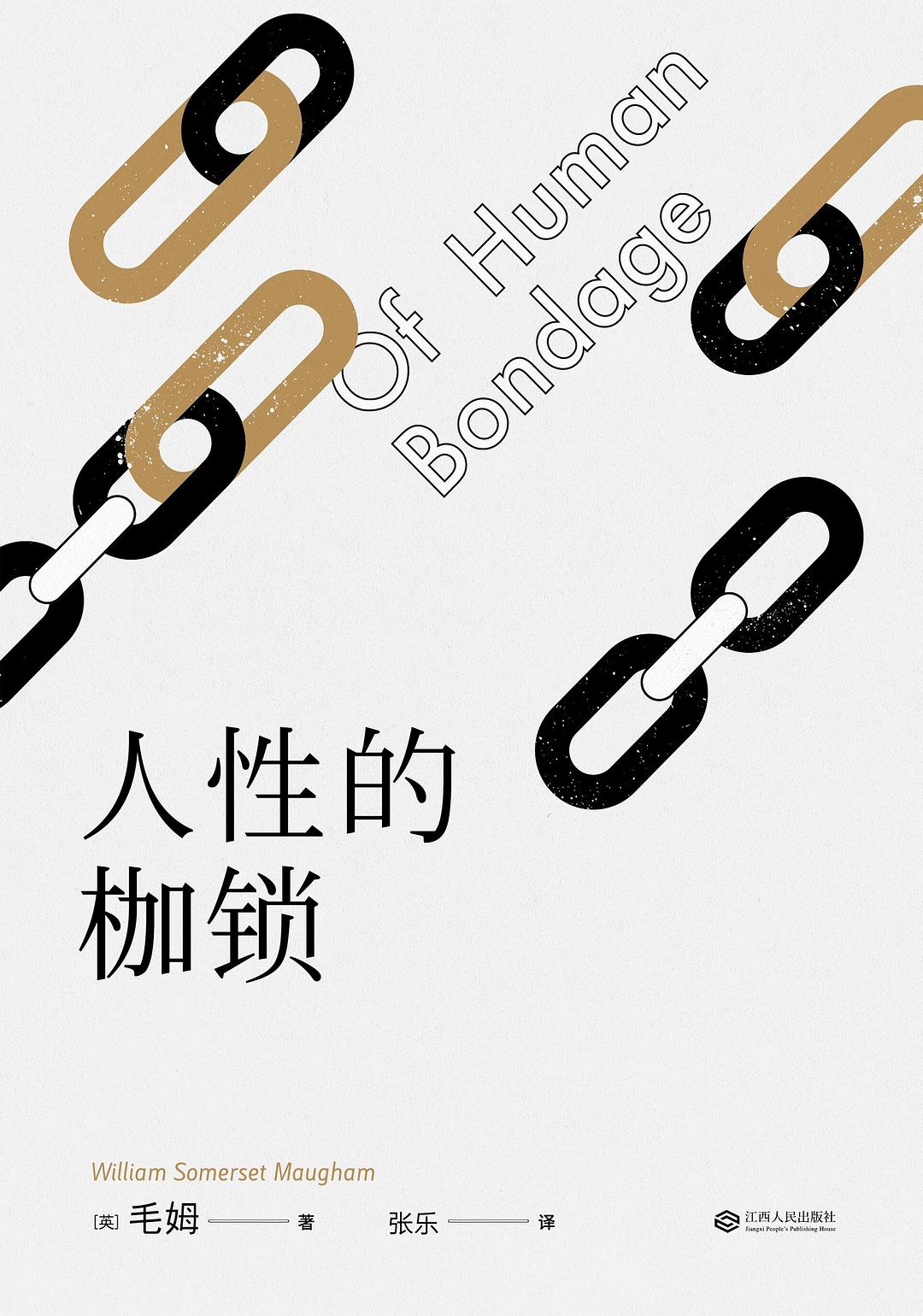
把这些文学巨匠生活的秘辛和毛姆的《人性的枷锁》放到一起看特别有意思,可以发现很多小说情节的出处和影子。《人性的枷锁》毛姆的自传体小说,很厚的一本,但是读起来毫不费力,不多久就读完一部大部头让人很有成就感。《人性的枷锁》里男主人公菲利普在巴黎学画,对是否要继续坚持去请教大师的情节,就来自年轻的巴尔扎克把自己的剧本寄给一位教授,连教授的回复都是一样的。菲利普出资给心爱的米尔德里德和花心室友去巴黎旅行,陀思妥耶夫斯基出资帮助心爱的玛丽亚伊沙耶娃和瓦格诺夫完成婚礼。菲利普和陀思妥耶夫斯基也有着类似的受虐心理,在被迷恋的女子三番两次轻视与折磨下,反而更加加深了对她的爱恋。毛姆还借菲利普初恋的口提到莫泊桑的轻浮。
毛姆在随笔中对美和善的阐述在《人性的枷锁》中也得到一致的体现。
菲利普在最穷困潦倒居无定所的日子里去博物馆看艺术作品聊以慰藉,在随笔中毛姆这样描述自己的感受: “在伟大的艺术作品面前,一个人的反应到底是什么呢?我知道我的感受如何,那是一种兴奋夹杂着喜悦的感觉,同时充满理性和感性,是一种让我获得某种力量进而从人性的束缚中获得解放的幸福感。同时,我感受到自己处于一种充满人类同情心的温柔心境之中。我因此而觉得踏实、内心平静,精神上也感到超然。如果艺术是一种慰藉,那么足以。这个世界充满了不可比拟的邪恶,如果人类偶尔能从古往今来遗留下来的艺术作品中寻求庇护,这样是极好的。但这并非逃避,而是汲取新的力量来面对这些邪恶。”
毛姆认为善良是最值得崇敬的情感,在《人性的枷锁》里他给了菲利普一个圆满的大结局:和善良的莎莉在一起。当初读到这里只觉得太突兀而且明显菲利普是不爱莎莉的,在随笔中似乎找到了一些解释。毛姆认为善良是幽默对命运荒唐和悲哀的一种反驳,不同于美,善良可以达到尽善却不让人觉得厌倦,同时比爱更伟大,因为善良的光不会随着时间而褪淡。这样看来似乎没有比和一个善良又爱自己的人在一起更好的结局了。
这也是一本种草书,虽说很多都是经典,但是读书少的理工女还是如获至宝一般。
《蒙田随笔》 《威廉麦斯特》歌德 《汤姆琼斯》菲尔丁 《傲慢与偏见》简奥斯丁 《大卫科波菲尔》狄更斯 《红与黑》司汤达 《包法利夫人》 福楼拜 《战争与和平》列夫托尔斯泰 《卡拉马佐夫兄弟》陀思妥耶夫斯基
AI-generated translation.
Borrowing books is extremely effective at pushing me to read. There are two main reasons. First, deadlines are productivity. More than once I have raced through a book right before it was due. Second, before returning a book—especially when I really love it—I always want to leave myself some notes, partly to maximize the “value” of borrowing it, and partly because note-taking helps me sort out what I’ve read. The next borrowed package is already sitting beside me, and I’m dying to open it, but I still haven’t finished the notes from the previous batch. “No opening the next package before finishing the last notes!” Sigh. My compulsive self can be unbearable.
Dior by Dior
This slim little book is Christian Dior’s fashion notebook. He offers professional insights and practical advice on every element of dress. It was first published in the 1950s, yet his thoughts on fabric, design, and accessories still feel completely relevant more than sixty years later. Dior believed that elegance is the right combination of personality, nature, care, and simplicity. Above all, care matters most. Dress carefully; groom yourself carefully. What surprised me most is that Dior, founder of one of the world’s iconic luxury brands, still insisted that luxury is the opposite of elegance. Elegance may be bold, but it should never be luxurious in the vulgar sense. Extravagance is bad taste. Better to make mistakes in simplicity than indulge in wasteful display.
After Dior died in 1957, Yves Saint Laurent became Dior’s chief designer at only twenty-one. He was born in French Algeria—the setting of Camus’ The Plague. When the Algerian War broke out in 1960, he was drafted into the army. Whether because of his introverted temperament or because he was gay, he later declared a mental breakdown and was hospitalized. That marked his break with Dior, and he went on to found YSL. Much later, of course, that gave us the ever-sold-out lipstick famously associated with Cheon Song-yi.
Like Father, Like Son
I cried a complete mess reading Like Father, Like Son. It is obviously fictional, and the plot and characters feel carefully arranged, yet it still moved me deeply. Two boys are found to have been switched at birth just before starting elementary school. In preparation for returning each child to his biological family, the two families begin to spend time together. One father is an architect too busy with work to spend time with his child; the other is a small shop owner who jokes around with his kid every day and even repairs electric toys. The difference in class, family atmosphere, and parenting style creates a chain of events that forces both families into reflection. The emotions formed through raising a child—especially a child’s love for his father—remain equally pure in either household. Stories like this about family are always an easy way to hit my emotional weak spot, but I have to admit Hirokazu Kore-eda is exceptionally good at telling them. Last year I watched Shoplifters and Our Little Sister. His films rarely rely on sharp dramatic conflict; instead, inner emotions and family bonds are revealed gently through expressions, gestures, and dialogue. Very East Asian, very Ang Lee.
I didn’t know it had been adapted into a film while I was reading. After finishing the book, I watched the film trailer and cried all over again.
Reading Is a Portable Shelter
This collection of essays on reading by Somerset Maugham is both fun and packed with substance. Maugham believed that pleasure is the first principle of reading, and that writers—novelists in particular—should not treat themselves as lecturers whose job is to transmit knowledge.
In the essay “What Sort of People Write What Sort of Books,” Maugham shares all kinds of personal details about great writers, and they are delicious to read almost like gossip. Jane Austen, Stendhal, Dickens, Flaubert, Balzac, and Dostoevsky no longer appear as cold names from literary history; under Maugham’s pen they become ordinary people struggling through the ups and downs of life. Many great works, too, were not flashes of divine inspiration but products of necessity—long stretches of labor forced out by life itself. These literary giants often explored the flaws of human nature in their writing, while in real life they were often prisoners of that same human nature.
Putting these behind-the-scenes stories alongside Maugham’s Of Human Bondage is especially interesting, because you can see where many novelistic situations came from. Of Human Bondage is Maugham’s autobiographical novel. It is a thick book, but surprisingly easy to read; finishing such a long book so quickly is oddly satisfying. In it, the scene where Philip studies painting in Paris and wonders whether he should continue seeking out a great master comes from young Balzac once sending his own script to a professor, even receiving almost the same reply. Philip pays for Mildred and his frivolous roommate to travel to Paris; Dostoevsky paid to help the woman he loved, Maria Isaeva, finish preparations for her wedding to another man. Philip and Dostoevsky also share a similar masochistic streak: the more the women they adore belittle and torment them, the deeper their obsession grows. Maugham even has Philip’s first love mention Maupassant’s frivolity.
Maugham’s reflections on beauty and goodness in these essays also echo beautifully in Of Human Bondage.
In Philip’s poorest days, when he is homeless and drifting, he goes to museums to take comfort in art. In the essays, Maugham describes his own feelings like this:
“What is one’s reaction in front of a great work of art? I know what mine is: a feeling of exhilaration mingled with joy, at once rational and emotional, a happiness that gives me some strength and frees me, for a moment, from the bondage of human nature. At the same time I feel myself in a tender mood full of human sympathy. I therefore feel steady, inwardly calm, and spiritually detached. If art can be a consolation, that is enough. The world is full of incomparable evil, and if human beings can occasionally seek refuge in the works of art handed down through the ages, that is a fine thing. Yet this is not escape; it is drawing new strength in order to face evil.”
Maugham believed kindness is the most admirable of emotions. In Of Human Bondage he gives Philip a happy ending: he ends up with the kind Sally. When I first read that ending it felt abrupt, and Philip clearly did not love Sally in the same way, but the essays offer some explanation. Maugham sees kindness as humor’s answer to the absurdity and sadness of fate. Unlike beauty, kindness can approach perfection without becoming tiresome, and it may even be greater than love, because its light does not fade with time. Seen that way, perhaps there is no better ending than to be with someone kind who truly loves you.
This is also a wonderful book for making me want to read more. Many titles are classics, but to an engineering girl who has not read enough, they still felt like a treasure trove:
Essays of Montaigne
Wilhelm Meister by Goethe
Tom Jones by Fielding
Pride and Prejudice by Jane Austen
David Copperfield by Dickens
The Red and the Black by Stendhal
Madame Bovary by Flaubert
War and Peace by Leo Tolstoy
The Brothers Karamazov by Dostoevsky